Fujiyoshida

Tonight the moon is blue. It is a full, Super cold moon. Now, it is only 8 pm but utterly freezing outside.

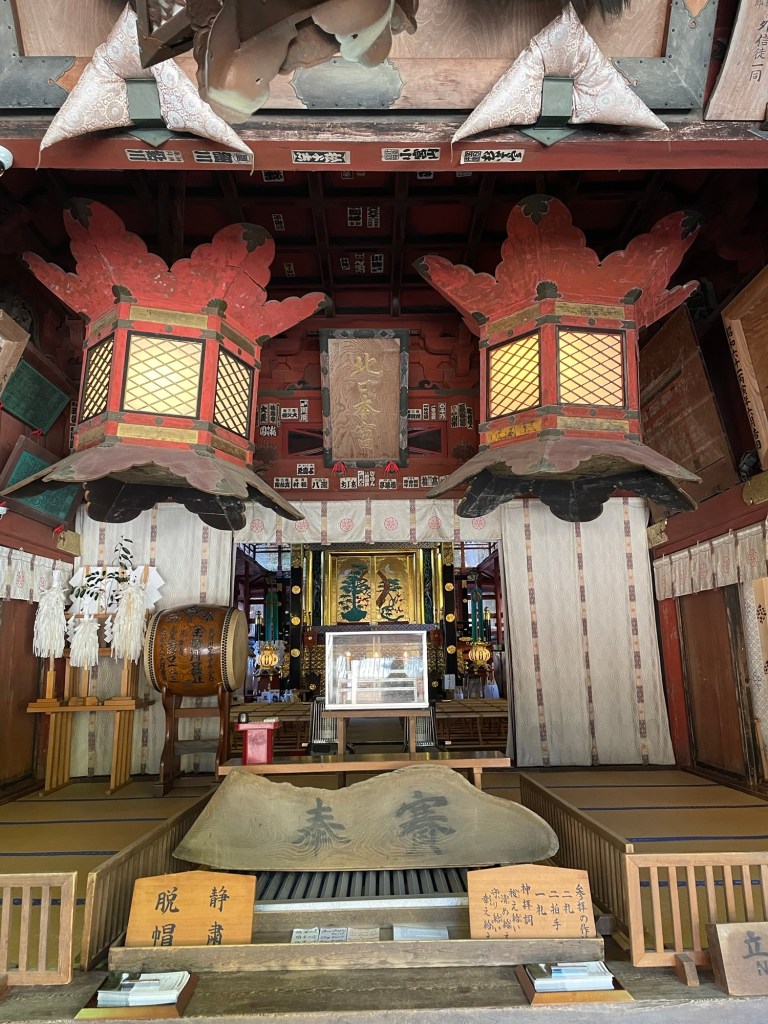
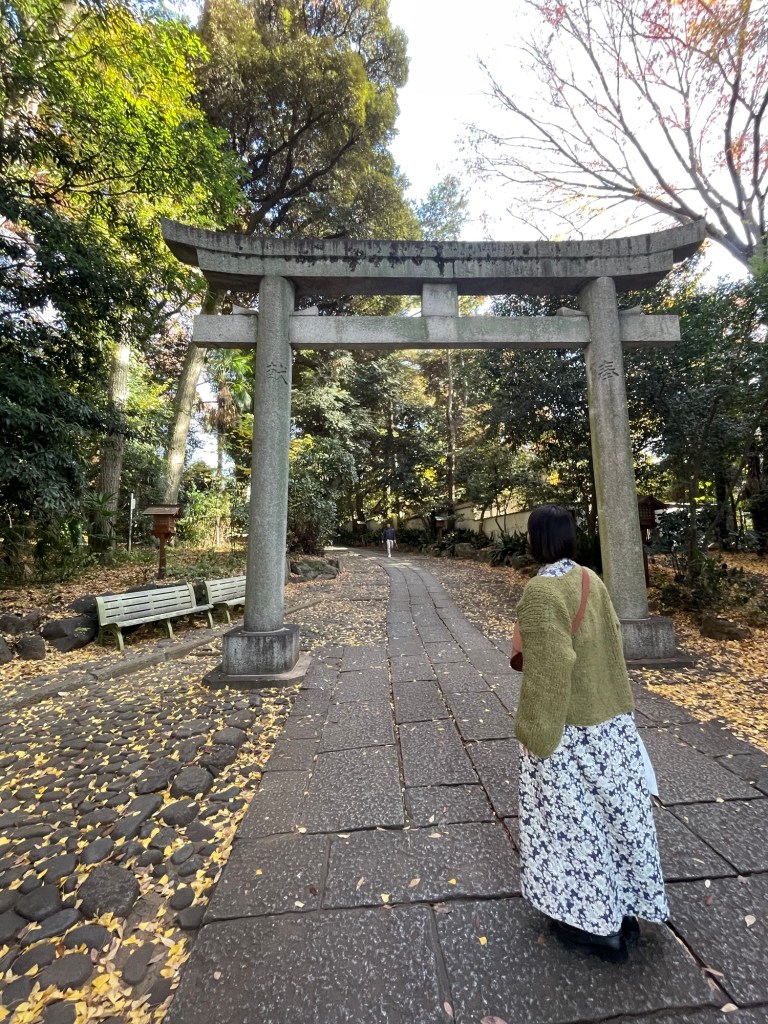
Today, after very little sleep, I decided to walk to the base of Mount Fuji. The morning was cold but bright.  To get to Fuji, there is first about a 3 miles to walk from town to the  Kitaguchi Hongu Fuji Sengen Shrine, which is a huge complex of buildings – the first small shrine is said to date back to 100AD.  It is now a magnificent World Heritage Centre and I can completely understand why.  I do not know its history but as I walked up the main road out of town, that leads directly to this place, I recognised that from the 16th century to the 19th century, the path was once lined with inns, temples and shrines and places managed my Oshi (priests) on both sides.  Some of these places are still here and also recognised as historical buildings but some are also abandoned or derelict or turned into some other use but the gates at the front remain.  Each one had information about its history and on each reading, it became more obvious how special this place has been to generations.   The closer I got to Fuji, I began to sense how many people came to pilgrimage, rest and pray here before walking the mountain.

When you finally reach the gateway to Kitaguchi  Shrine, it is in a forest of Japanese pine trees which all must be 100 feet tall. The path way is lined by majestic stone lanterns covered in moss. Immediately you are plunged into shadow and coldness under the trees where the pilgrims would’ve originally come to bathe and drink water before setting off to climb out Fuji. 
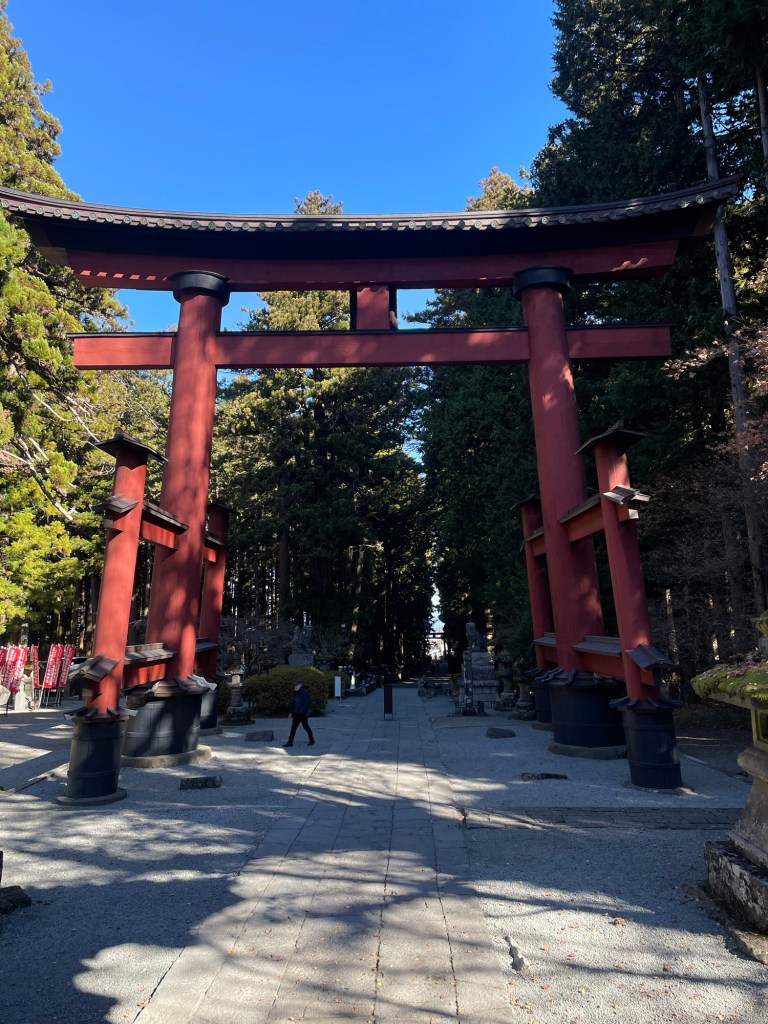
The largest trees are respected with rope and paper ribbons.  Even though I do not know or fully understand what is going on here, there is no denying that it is and has always been epic – as epic as when I walked the Great Wall of China and turned around to see the wall meander for miles into the distance, as epic as the day I spent in the Forbidden City and sat and the Pavilion of Crimson snow.  These experiences are never forgotten and maybe hold some of the essence of the pilgrims within it.   This is not just a complex of spiritual buildings they are stories of lives, beliefs, and gods.

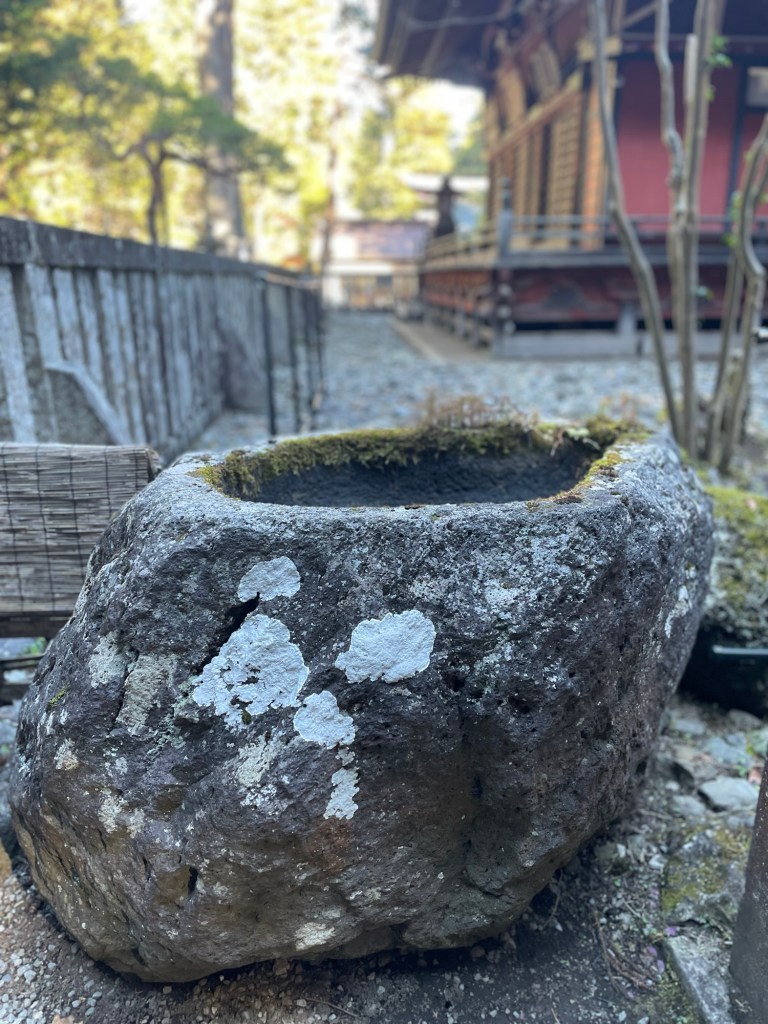
Great stones made into water troughs were covered in ice with little tiny fearn forests growing around the edges. When I looked at the rock, I thought, if stones could talk what stories they would tell of all those who have passed here since Fuji settled from erupting. 

I walked around towards the base of the walk up to Fuji. The forest made it very cold and I decided to start the walk to the base until the black bear signs became progressively increased and I thought better off it because I was on my own so I turned back.
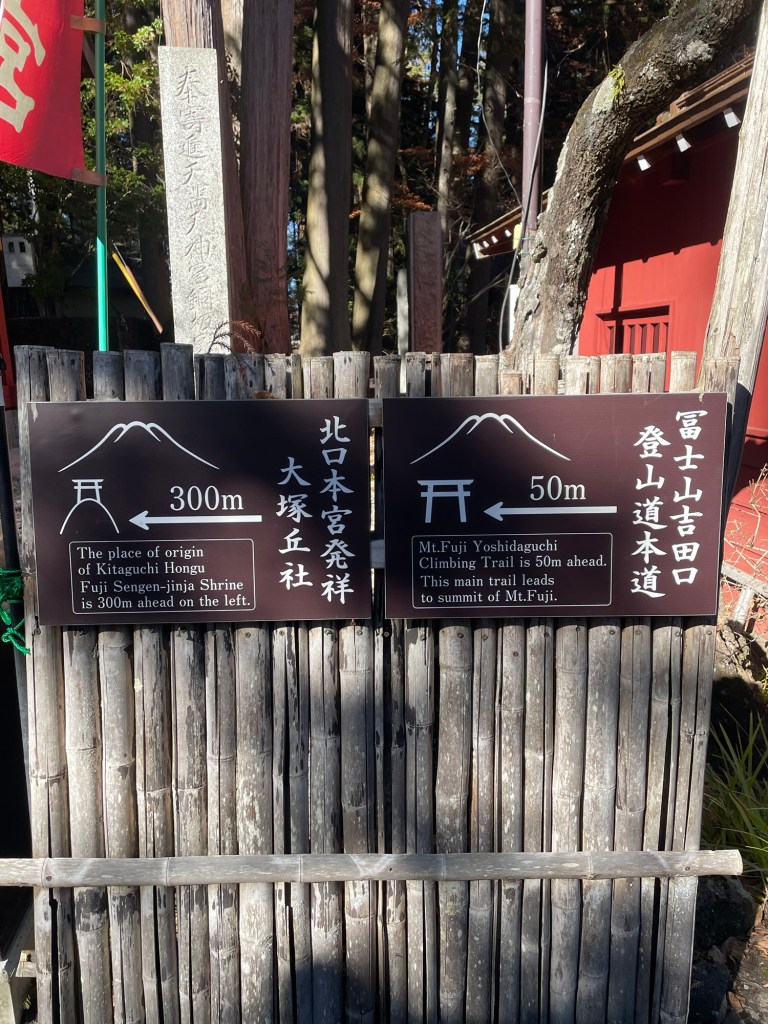
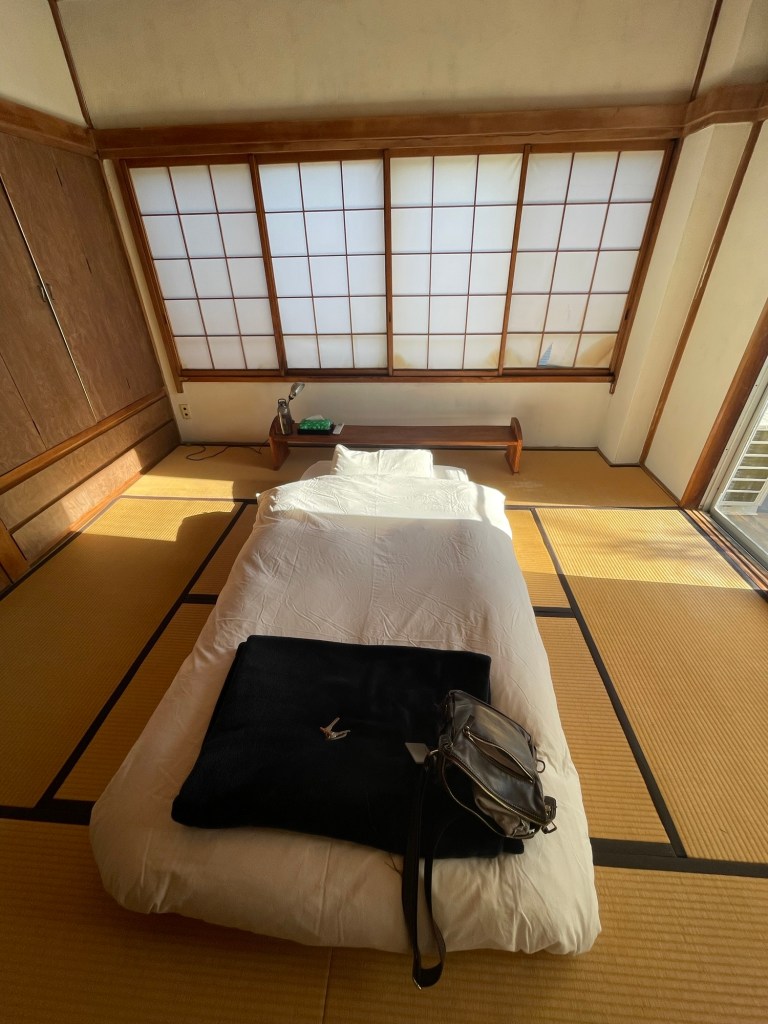
Back home, when Takumi, came round to sort the smoke detector in the residency, he said that I could buy a tiny bell from the souvenir shop and hang it off the back of my bag to deter the black bear. I don’t think that I can trust that idea so much.

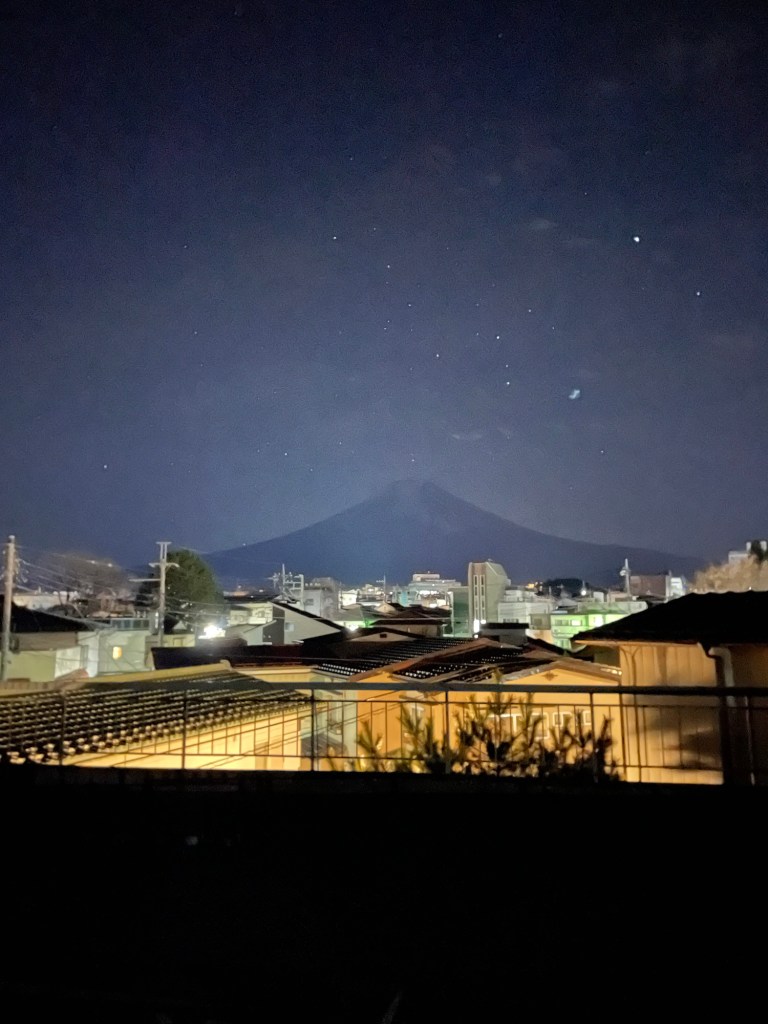
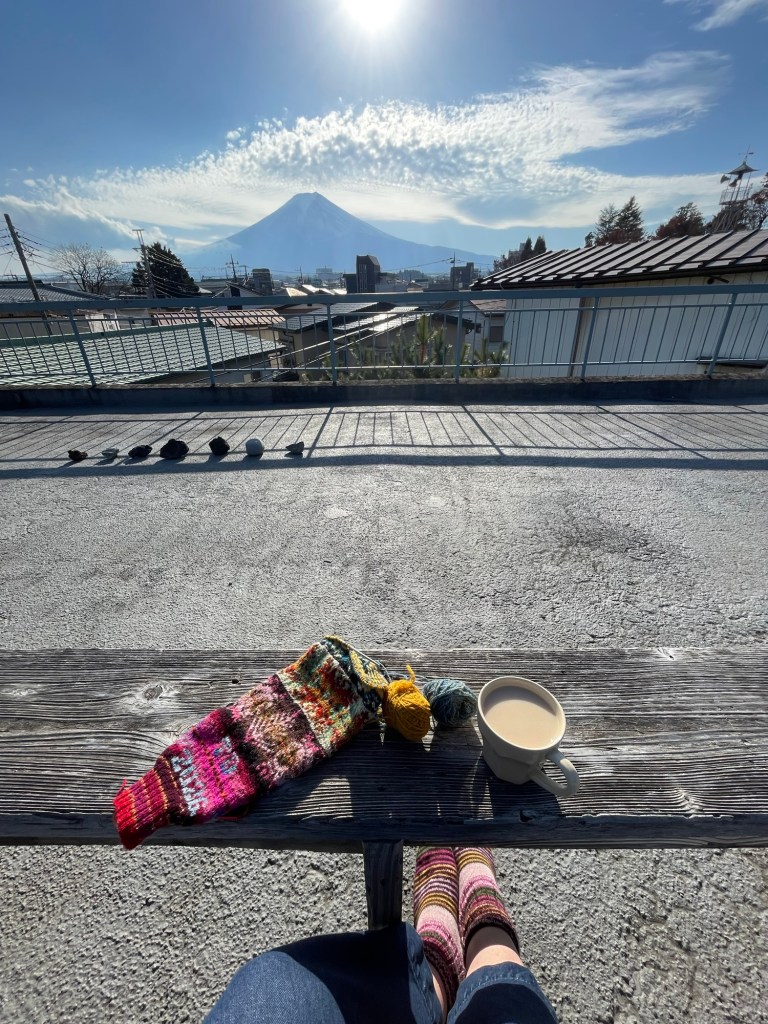
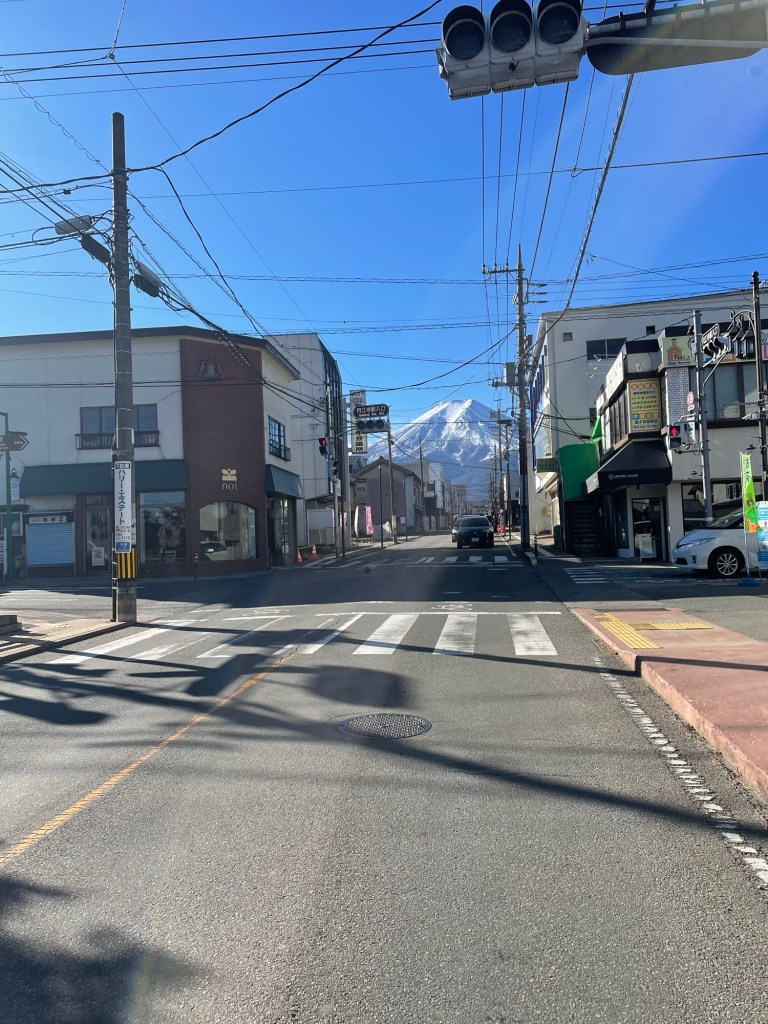
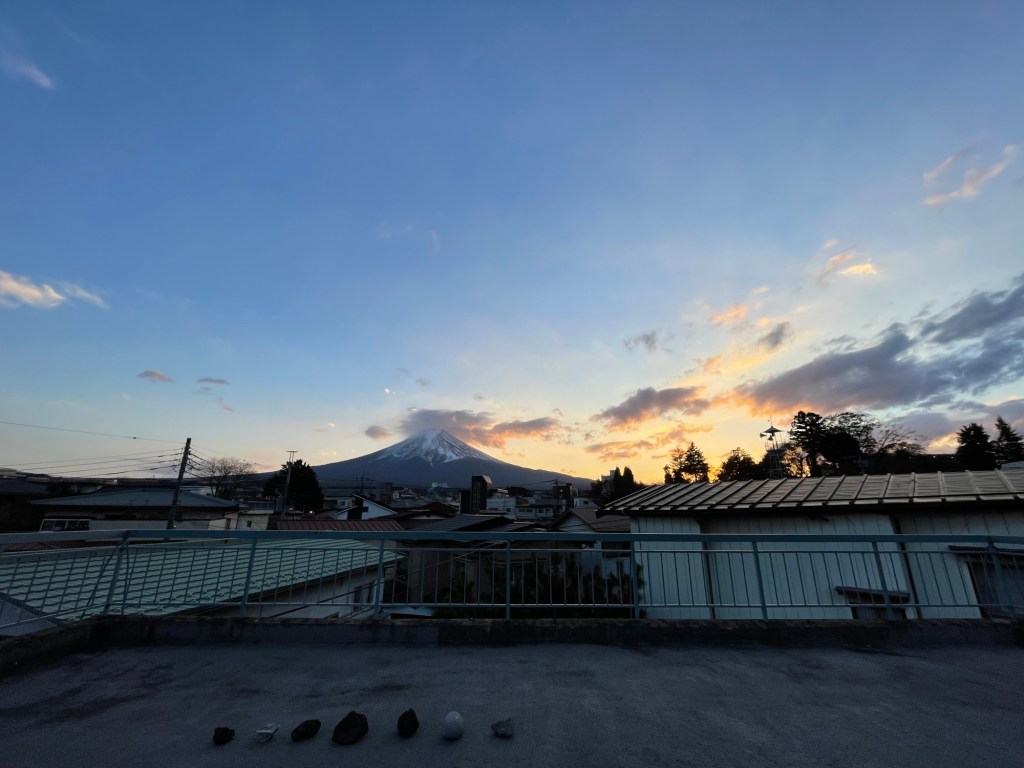
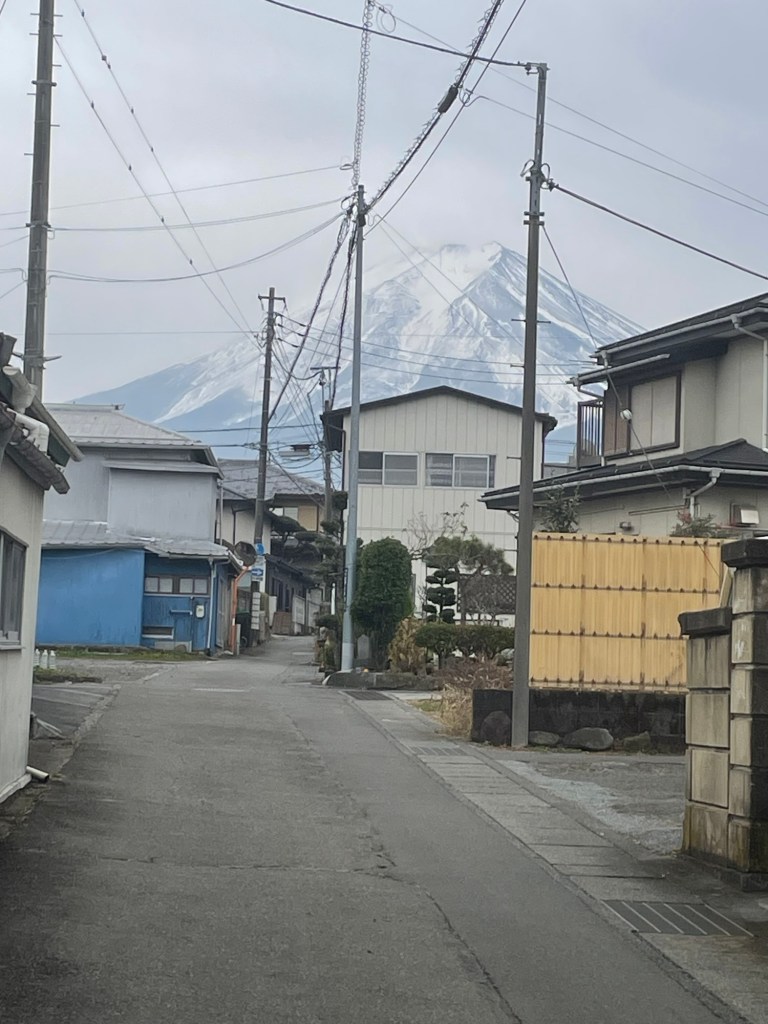
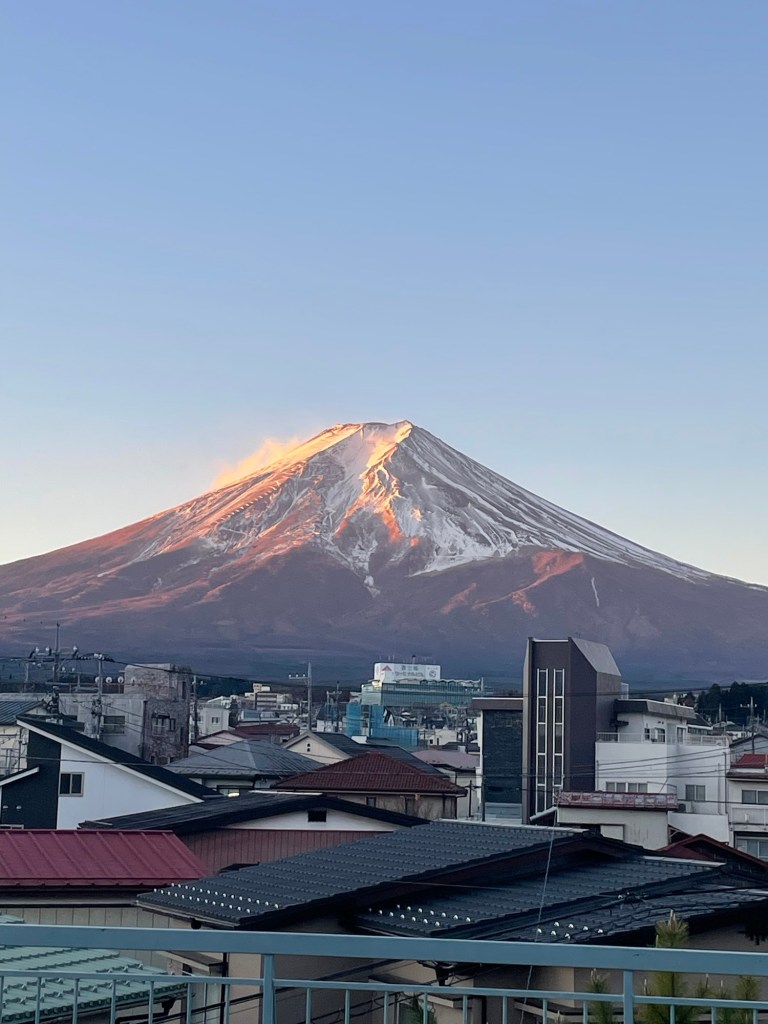
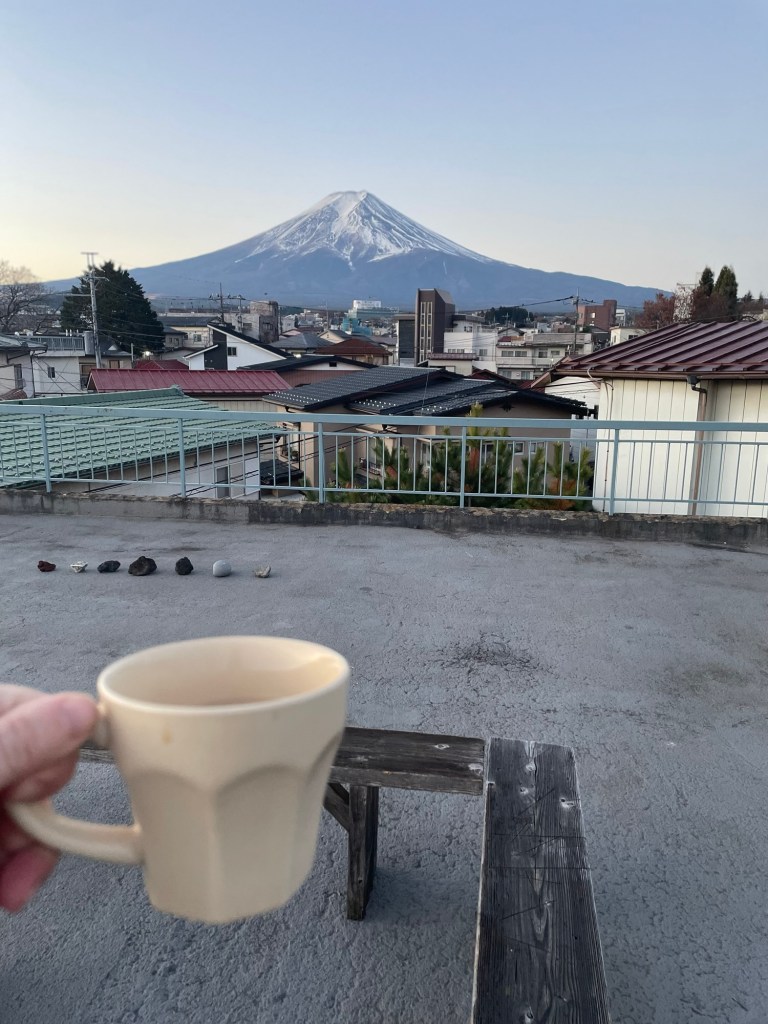
I have decided I might do a project – after Hokusai’s  100 views of Mount Fuji. I’ve shown quite a few of my Fuji, snaps on Instagram but now I’ve decided to work towards 100 modern views of Fuji. So now, hopefully, I will hopefully concentrate more on the idea but just to keep you going as Fuji shows up every day.

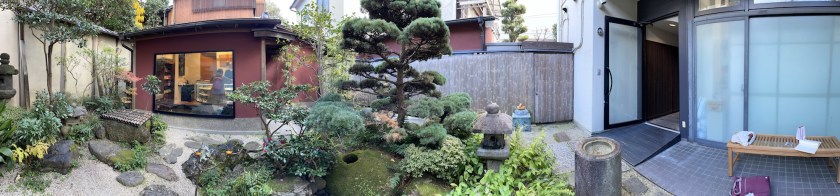
Here are a few views of Fuji in the last three days.
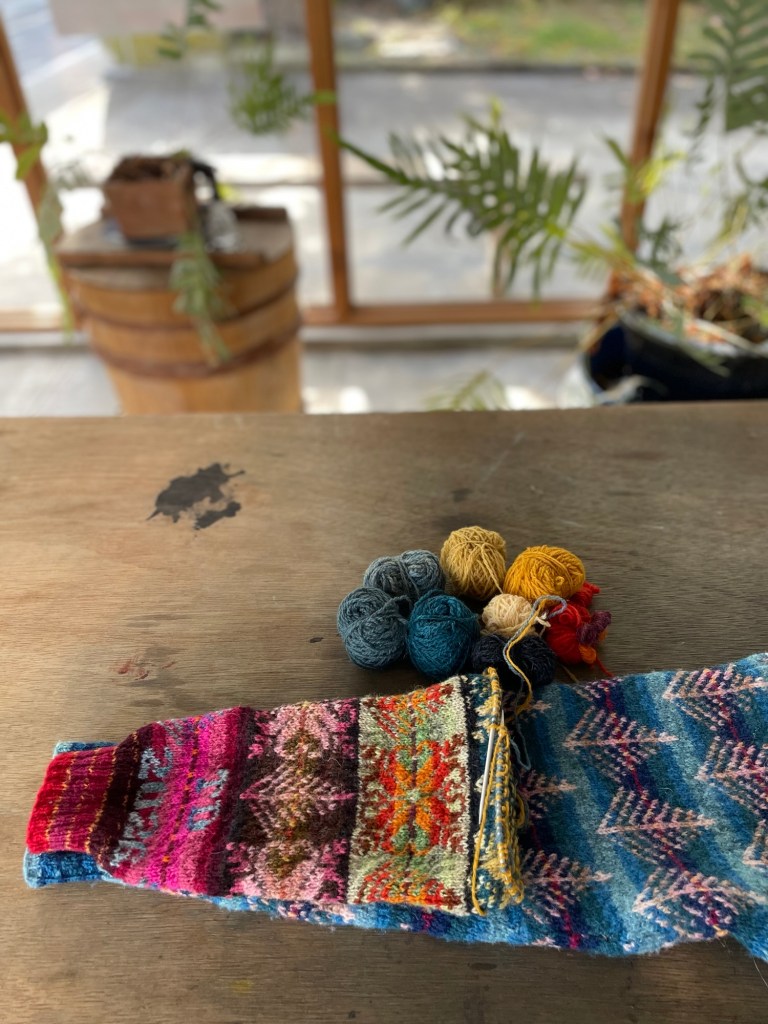
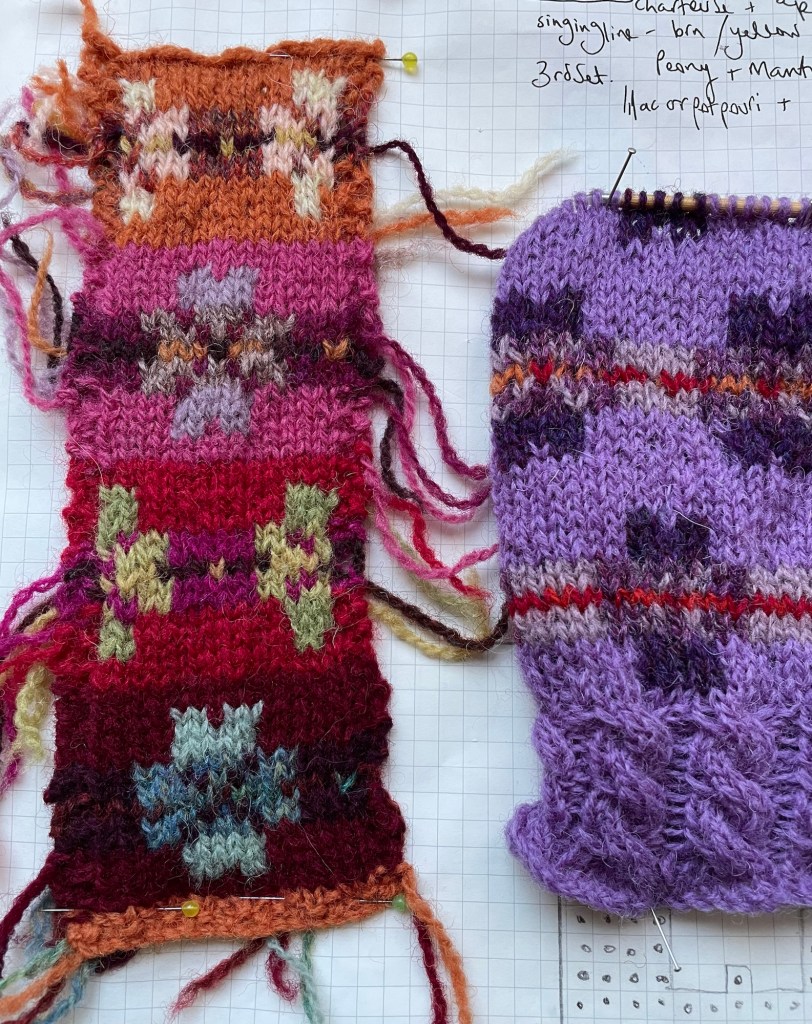
I have been knitting my second tree and star sleeve. I bought two antique kimono from a flea market at Hanazono shrine when I was in Tokyo because I was going to make a cloth body for my Tree and Star sleeves – you know, just make a little jacket body either padded or appliqued or something but I’m not so sure now

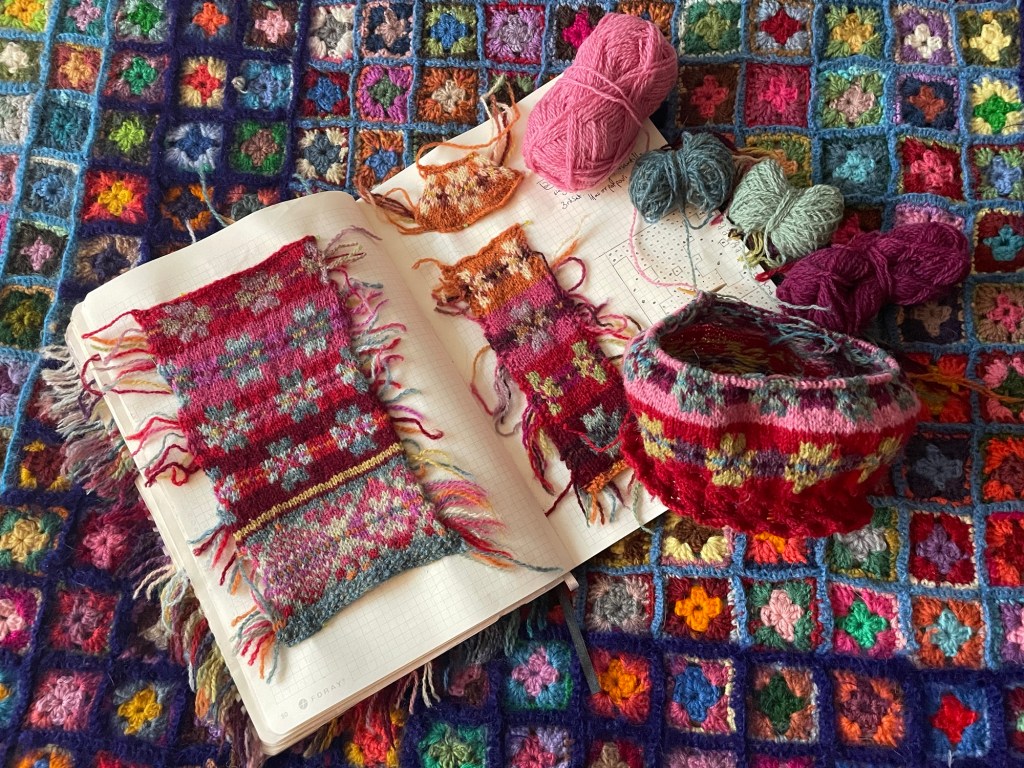
Here are the sleeves. I’m knitting them in lots of colours to give you ideas of alternative colour ways,  if you’d like to knit the Kaleidoscope  jumper or the sleeves yourself instead of in the blues and pinks that I chose.

 It’s a very special place here in Fujiyoshida and I’m glad I made my own pilgrimage to get here.

Here is the sleeve pattern on Ravelry, if you would like to knit them for your own project or add them to the Kaleidoscope Jumper instead of the tree sleeves that are in the original pattern – see image on the right above.

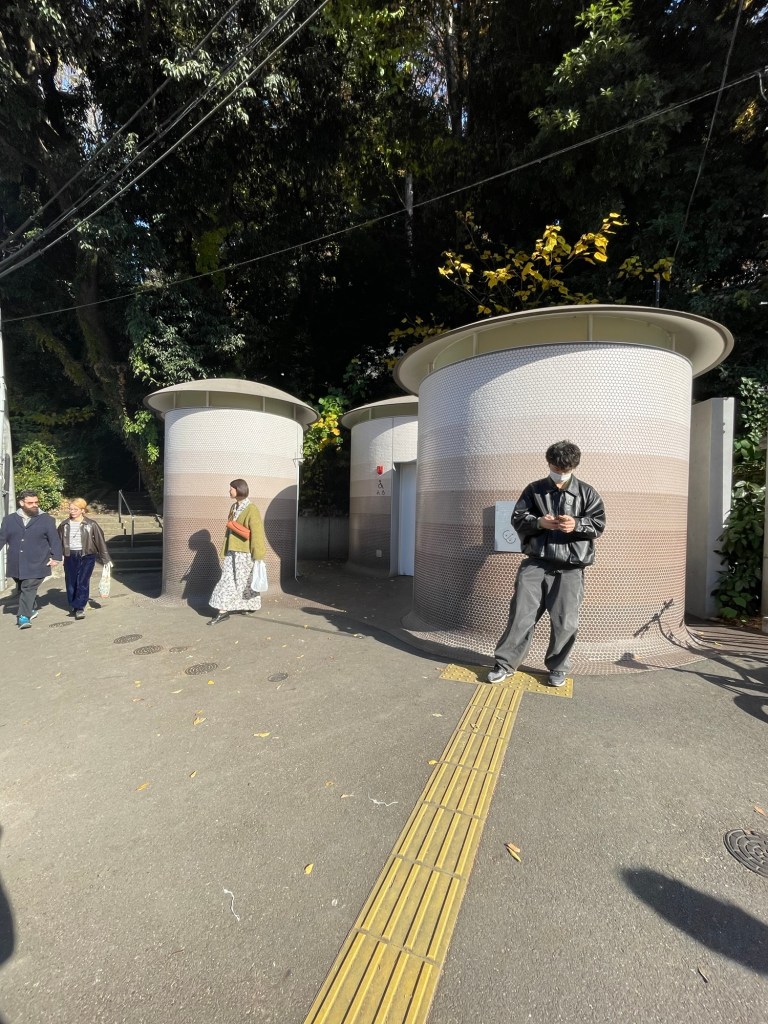
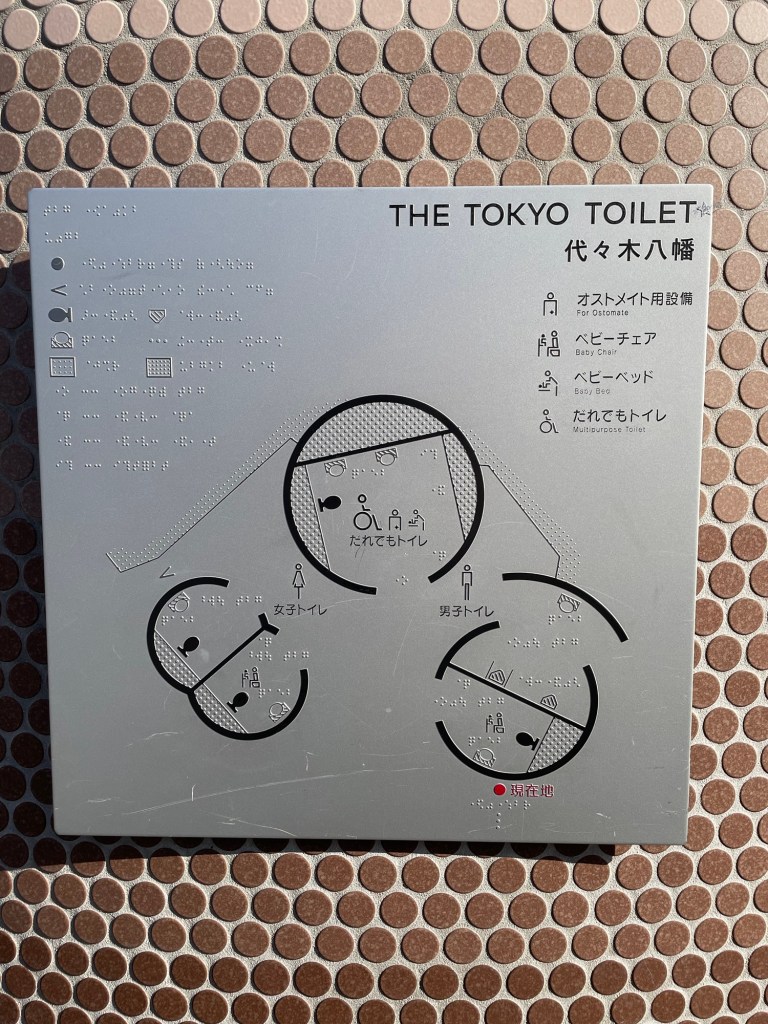
So much more has happened, I met my lovely friend, Yuka, who I have know from Uni and we went around the Tokyo toilets (my request) after the Film – Perfect Days. I had such a perfect day.

All ravelry patterns are here and if you would like to join me in an online colour workshop, nip to the link for workshops to find out more 🙂

Paper Rice Bowl

A beautiful Autumn morning – the sky was deep pink ahead of the sun rising.  It is not cold but a nip touches my cheeks.  

I am experimenting outside where the crows are crawing, with Japanese Kimono silk that I bought from the flea market in Kyoto on Christmas day 2023.  

The kimono is of brown silk with plumb blossom flowers, lined in scarlet silk with cranes and chrysanthemum in the weave.

It is 7:45am.  A man, over the road, is sweeping leaves from around his house with a yard brush.  The sound of brushing takes me back to when I lived in China and all I could hear every early morning, was the sound of sturdy bristles sweeping – sweeping rubbish, or dust, or leaves or anything before the honking sound of horns started.   Brushing in the hutongs, is a sound that is so deep inside me that I had forgotten it. But here it is, resurrected over the road – not a leaf blower to be heard.

Sometimes, my life in China returns to me in the most unexpected ways.   Here is where I lived in China – for a year.

This morning, I am working on my piece called ‘ Between Paper and Silk, and I have again become excited about the kimono fabrics that I bought in Kyoto.  It is a pure joy to look at the patterns in the fabric, like water marks of cranes in scarlet.

But, when I apply the glue and water to the scarlet fabric, I think it will wash away the cranes but they are still visible so the fabric is woven.   I am learning the materials and how they react to water and shifting light.    When I was in Kyoto, Maki San, said that you cannot wash the old kimonos which is why people don’t really want them.    I now see 2 reasons why you wouldn’t was a kimono.  1. The colours do run.  They are not moder dyes that are set and 2. The pattern that you see dancing in the fabric may be water marks and not weave.  Having said all that, the scarlet silk is holding its cranes and chrysanthemums inside.

Here is my progress.  Paper Rice bowl. And Cyanotype flower tea pot.

I’m bringing together all of the tools of my crafts

Trust your unconditional imagination

Trust your uncondtional imagination – I heard this said, by a musician. How many of us spend the time, the real time, to see our imagination?

This morning, I write, quickly, without inhibition, my unconditional imagination – not dream, nor hope but mature, possibly achievalble yet far reaching thoughts.

What I imagine is living in an old small Japanese house in Kyoto, much like the quadrangle houses in the hutongs of old Suzhou in China, where I once lived.   I would find the perfect small place, – where I would live a small, simple life for one year.

I would learn to speak the language of the local people – every day, a little more – enough to get by.  I’d get up when it was time to rise – maybe 4am at the sound of the bell ringing at the temple, or 6am when Nishiki market is rising and I would have a purpose to understand the passing of the seasons of one year, in all of its seasonal and serendipitous times. 


I know where the Persimmon grows over the water but I have missed its blossom and leaves – only arriving last Winter to see  a few plump fruits left hanging on the bare spindly branches, for the birds, or for the water but I want a year of the Persimmon trees of Kyoto.  I have not seen the blossoms.  I’d like to view them, feel them, sense and respect the history of them.


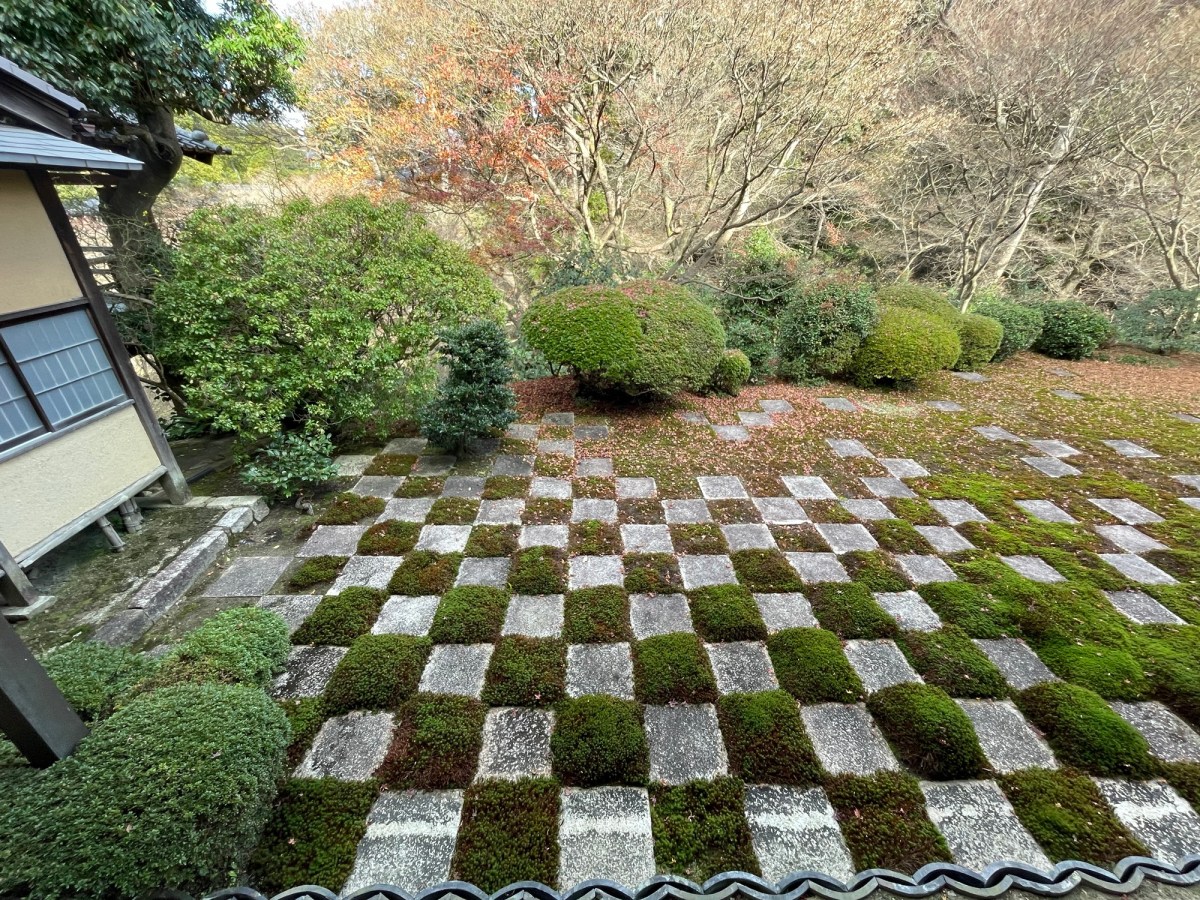
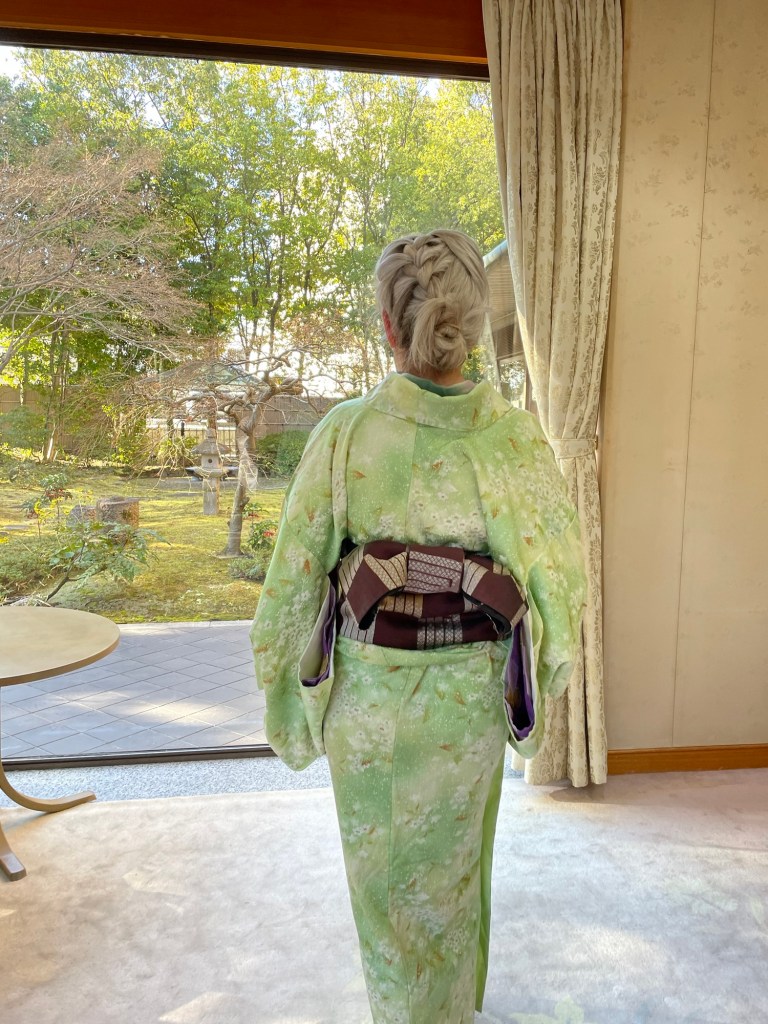
I want to learn how to wear Kimono properly – I have been shown but I want to be able to wear it in my small house. I want to rake the tiny garden, hear the rain travel down the rain chain from the roof, admire the growth of moss upon the rocks resting in the raked gravel of the sea.    I want to regularly visit my favourite gardens – Dai Sen In, which made me almost cry at is beauty, Tofukuji, where I sat with the winter sun, a beautiful granny of a bride and watched the great oceans raked into the gravel with wonder at an act carried out in the same patterns for generations, or my first ever visited garden at Kenninji temple in Gion, where the guard was so used to me sitting on the long veranda facing South, in the winter sun knitting, that he began to smile.

I’d like to write the story of the seamstress, who works in the window of Old Gion.  Hope that she would begin to trust me that I am not with her to take from her but to respect and admire her skills of many decades.  I had begun to sit with the man who has befriended the heron on the river bank, I’d like to be a regular companion beside the changing year of the river, so that the birds would also begin to know me too. I’d take the time, hours and hours.

These are the things I already know exist but this is the tip.  I want find, keep finding, keep learning, keep growing as well as give and share, as I once did when I lived in China.

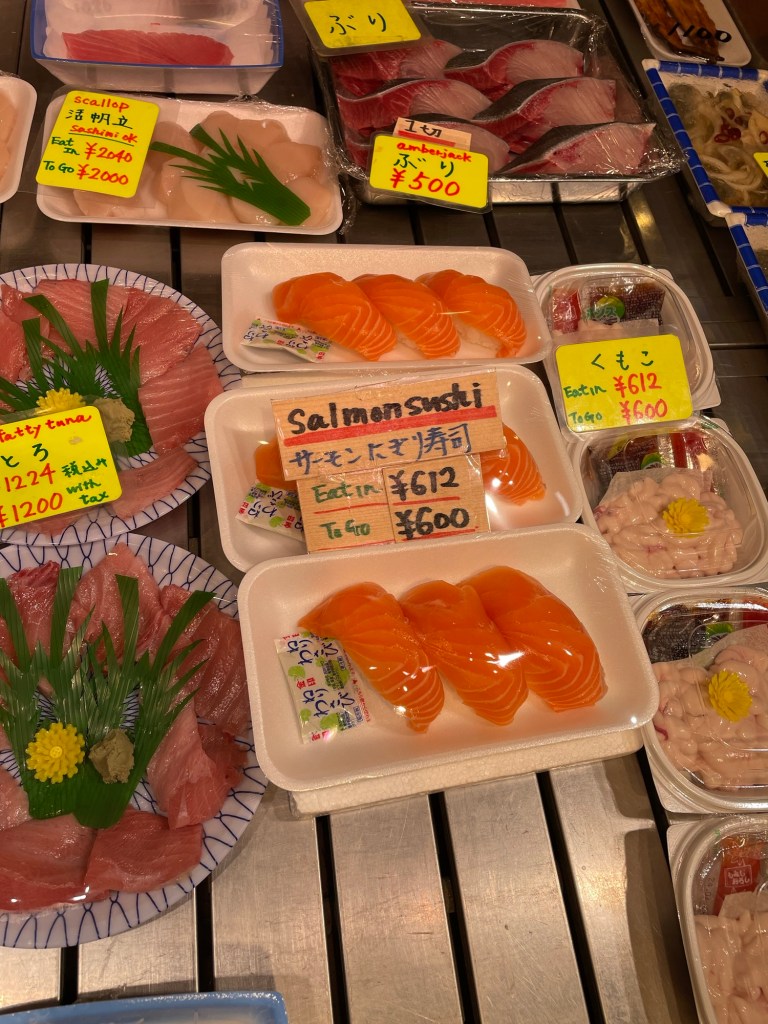
I’d like to just feel the unique wonder of the cultural differences until it was  no longer new to me because then, I would have emersed myself fully – grown the bonsai, joined the ladies chattering outside the theatre in their finest clothes, viewed the moss for so long that I could almost hear it grow, sat on the old wooden stools up to the make shift table in Nishiki market to eat sushi on a regular basis that they would know what I liked and I would know them as friends not as fine sushi and fish sellers,  where I would greet people in the local greeting and mean it, wholeheartedly.  I’d like to see the blossom move from south to north, I’d like to find an Onsen and revisit, I’d like to see Mount Fuji from the window of a passing train, in rain, in sun in mist.

I’d like to live a simple life with complex thoughts and feelings, to appreciate deeply from my heart –  Kyoto for one year and face what may happen – good and bad because these things don’t come easily, don’t come quickly – they take time.

This is my unconditional imagination.

Kyoto Baby.

On the way back to the Kyoto guest house, as the light was fading, I passed a small shop in Gion. The front was covered in a grill, at the door, was hanging a traditional Japanese door curtain (Noren).  I was only 3 days into staying in Kyoto and had no idea what the little place was, but, I could see a bent woman, working at a table under a light. A small gap in the grill showed a flash of crimson framed by the window.  I watched the woman carefully sewing, and, as is my habit, I wanted to know more.  At the window, I gestured to ask if I could enter the tiny shop.  The Noren, always bending the guests as they enter.  I, making no exception to this, bowed as I entered the tiny shop.

Inside, the space, the only thing I could see was the colour in exquisite Japanese silk Kimono taking up the entire huge table under the window and the woman standing beside it.


Crimson, peach, orange, ginger, cherry, turquoise, gold, purple, mint green patterned silk covered in cranes (symbolizing honour, good fortune, loyalty, and longevity) in flight shone under the sewing light.  The seamstress was hand sewing the great, padded roll of crimson at the hem of the Kimono.  She explained with few words and many gestures that it was a wedding kimono and entirely hand made by her.  She exuded the gently quality of unassuming dignity. A craft master who had probably worked at that table, under the window for decades.   I was awe struck by her skill.

I returned to the shop a number of times whilst I was in Kyoto – the last time was to show her my ideas to knit using colours that were inspired by the exquisite silk used in the kimono.  I particularly noted the thick crimson roll at the hem.   She understood what I was trying to do but must have thought that my swatch book was rather naive to her own skill, though she never showed it.    We passed small talk about colour, each using our own languages, understanding little in words but everything in the action.

Before I went to Kyoto, I hoped to live in a space between ‘Balance and Beauty’ and here I was, at that exact place.

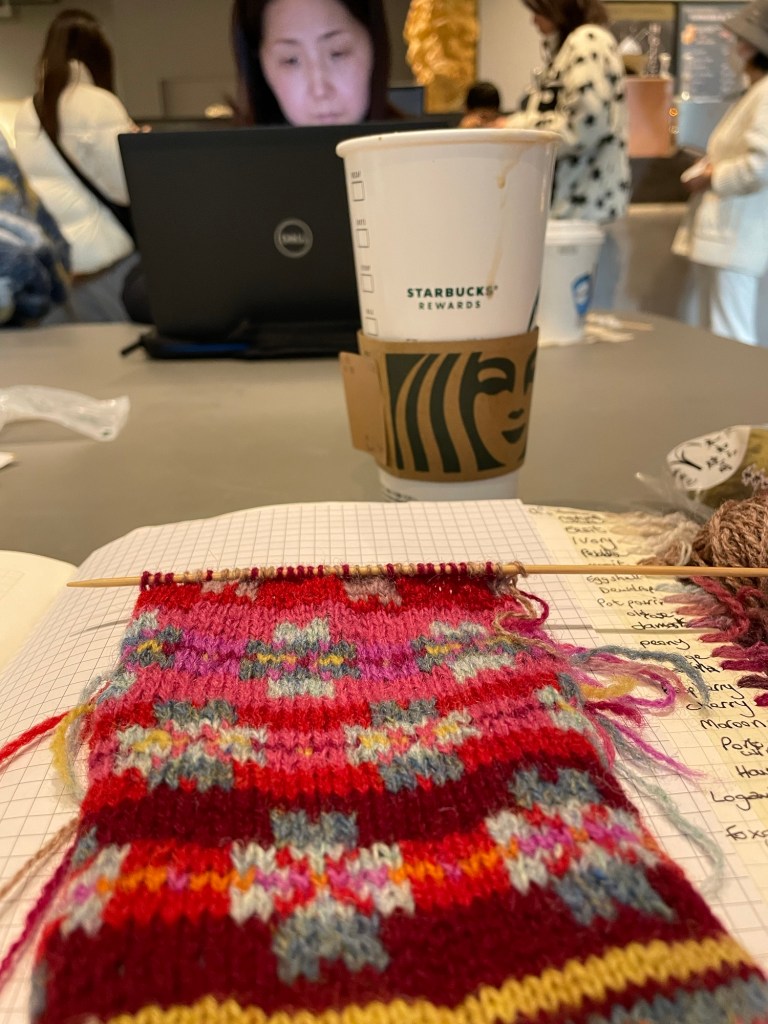
This little pattern is the result of that experience and inspiration of colour.  I swatched for colour in the little guest house, I swatched the colours in the Sky Garden on the 11th floor of Kyoto Train Station, I swatched in many of the Zen temples whilst viewing the zen gardens. 

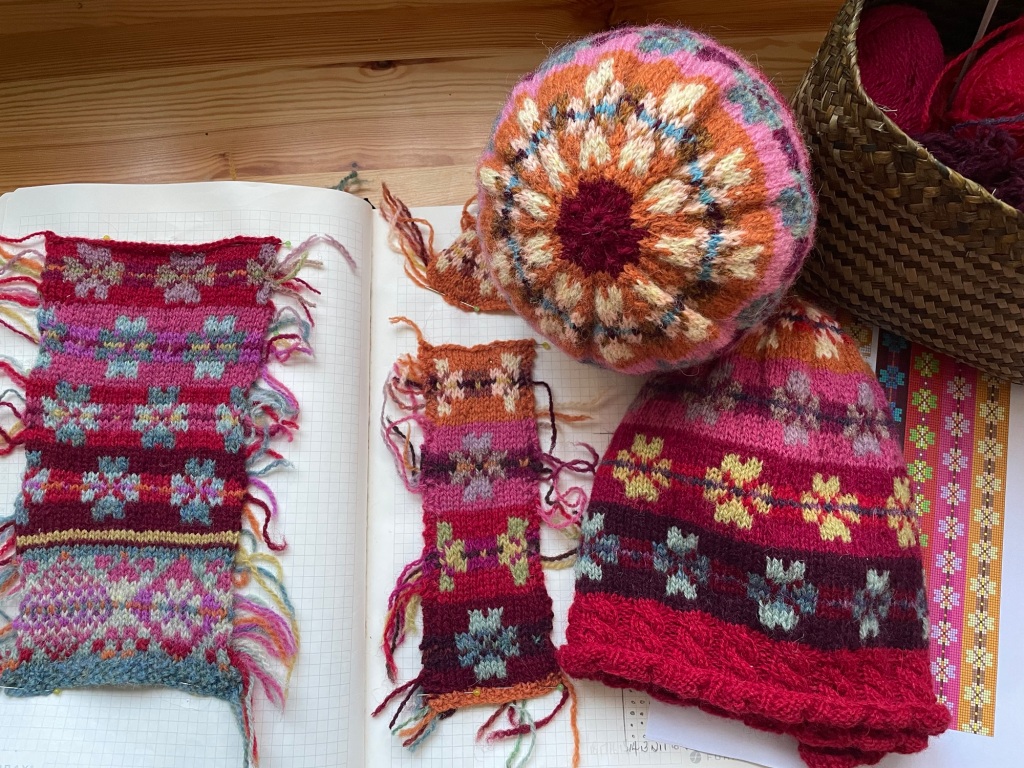
This little hat pattern, brings together some of the colours that I found that day.  It is called Kyoto baby.  It’s very easy to knit. The rib is an easy left crossing cable in Crimson to emulate the padded hem of the wedding kimono.  It has a simple Shetland flower motif.  The pattern has 14 colours related to the Kimono but it can be knitted simply in 6 colours.  All the information is in the pattern and it was a joy to make.   It is modelled by a beautiful little Sheffield girl, whose name I will keep a secret.

Kyoto Baby is here.

https://www.ravelry.com/patterns/library/kyoto-baby

there are a number of colour options in the pattern. I swatched for colour and so did my lovely test knitters. Shona Brown In Nova Scotia is has test knitted the baby beanie. – Thanks, Shona 🙂
The adult pattern will be out next week – Let me know what you think –

Kyoto baby