When I look back at my time studying for my Master’s degree in Knitting at Nottingham Trent University, between the years of 2016 and 2018, I realise just how much that period continues to influence the creative design work that I make today. Design isn’t just a thing you do, it has a long history in the designer going back years – and in my case, nearly 50 years.
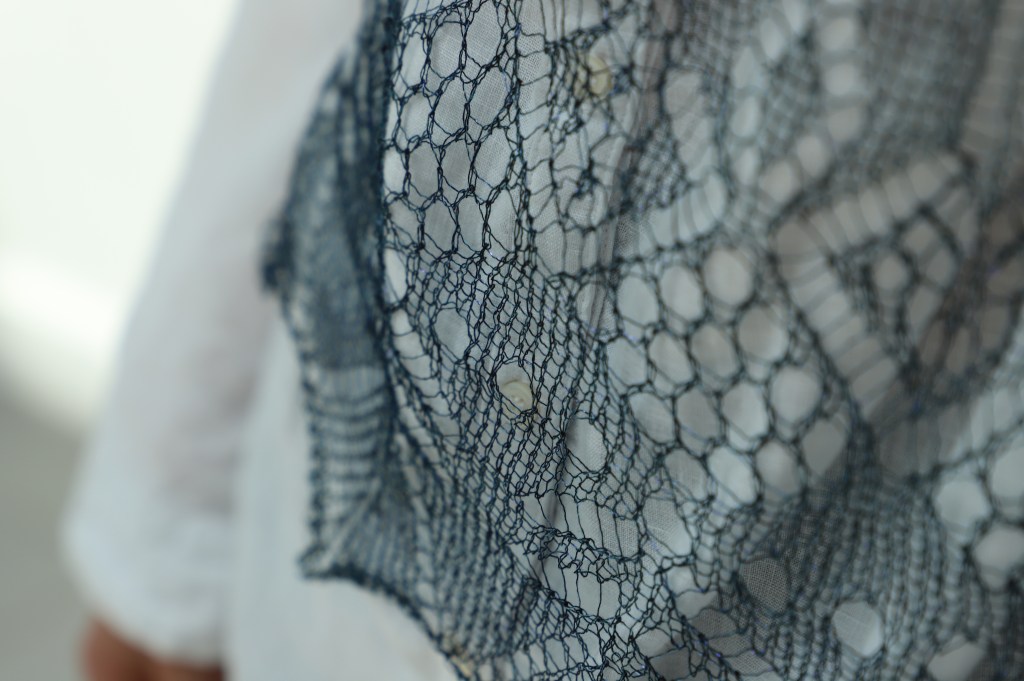
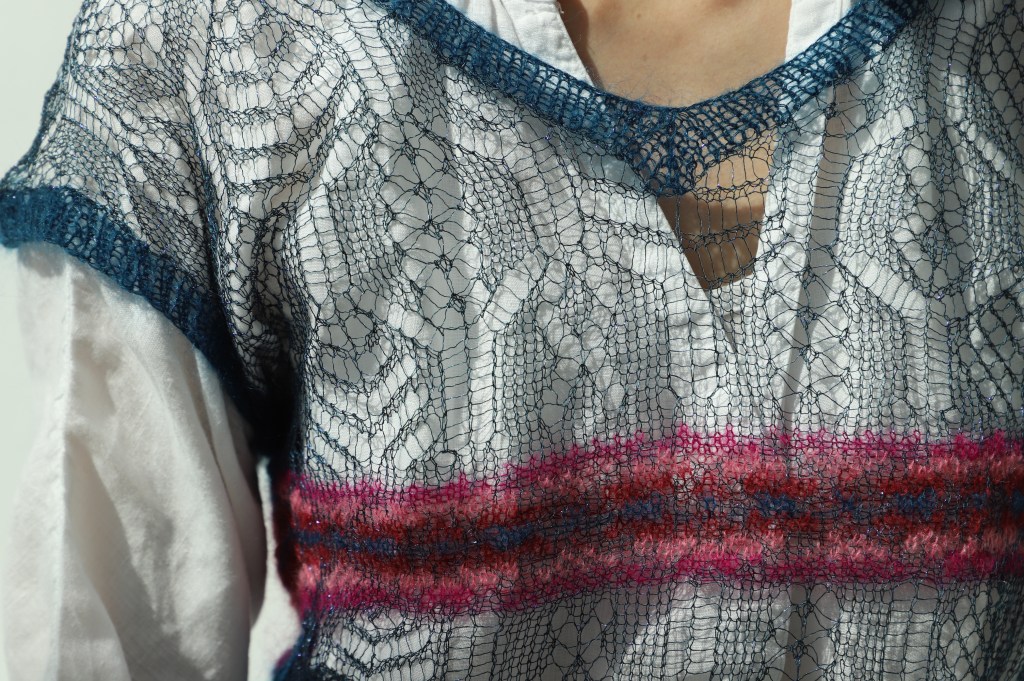
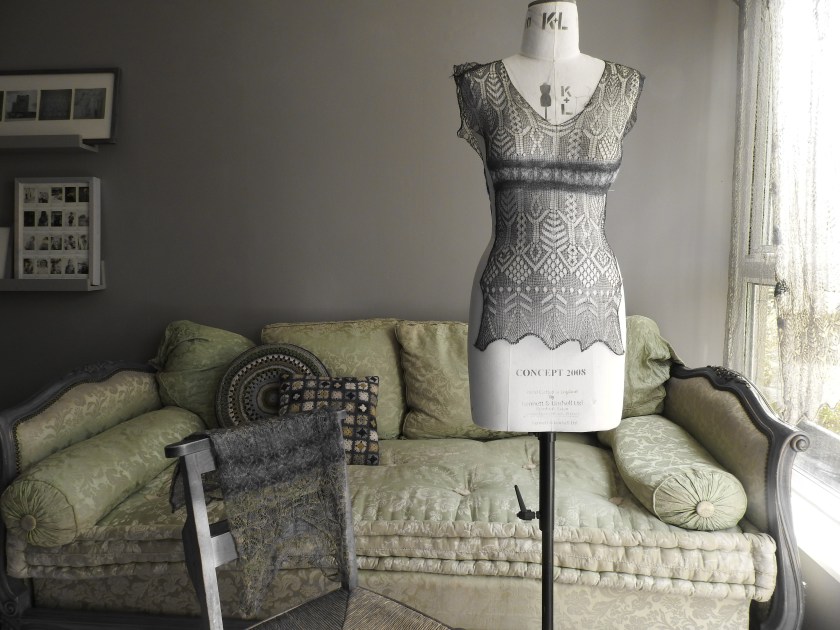
At NTU, I specialised in Shetland lace motifs, initially developing patterns by hand before translating them on to the hand knitting machine before finally being allowed near CAD – computer aided designs for power knitting machines. Over two years, I worked through an intensive process of experimentation, travel to and from Shetland and experiential learning until finally learning how to programme the computerised design system to produce exactly the patterns I wanted.
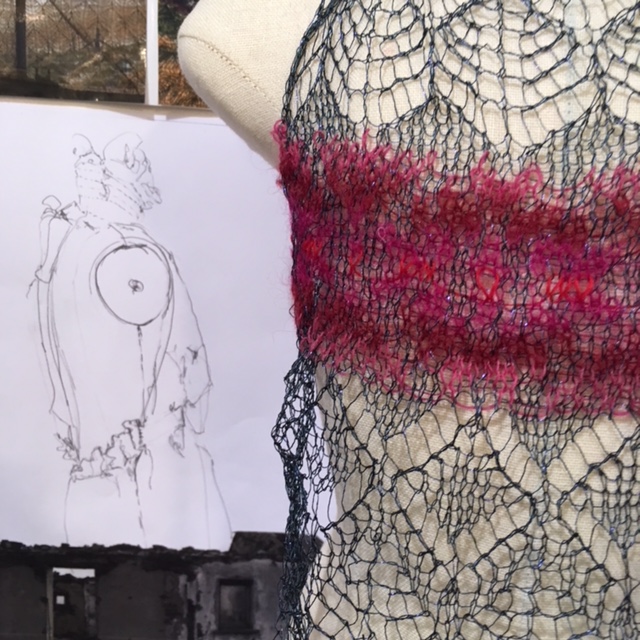
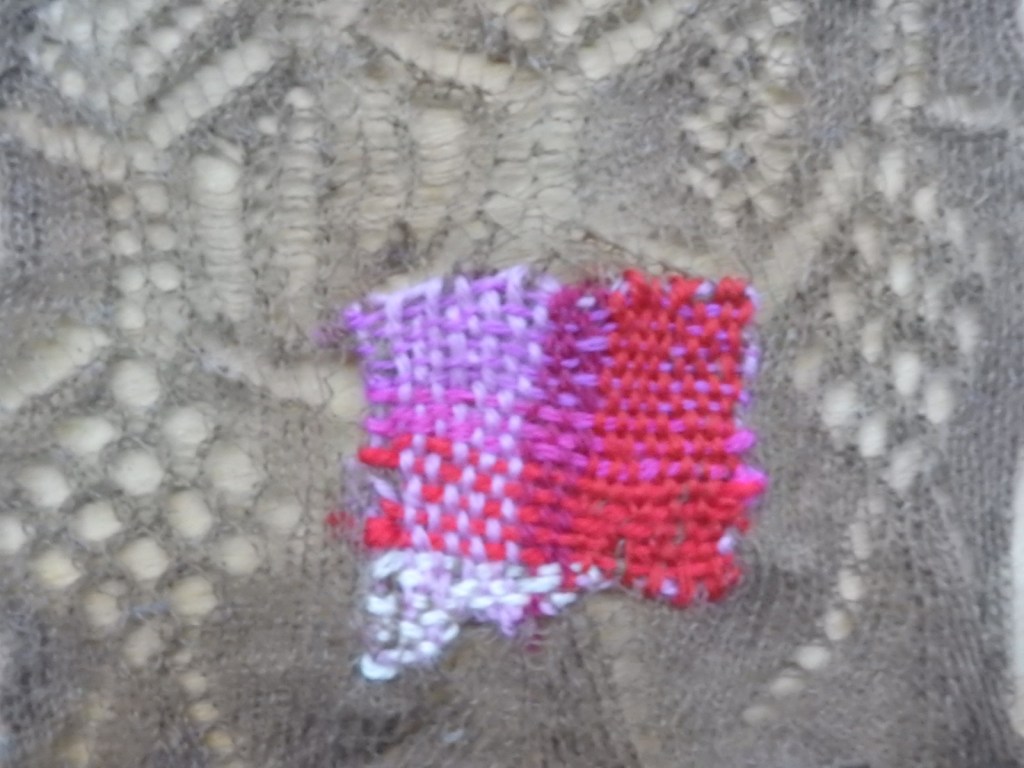
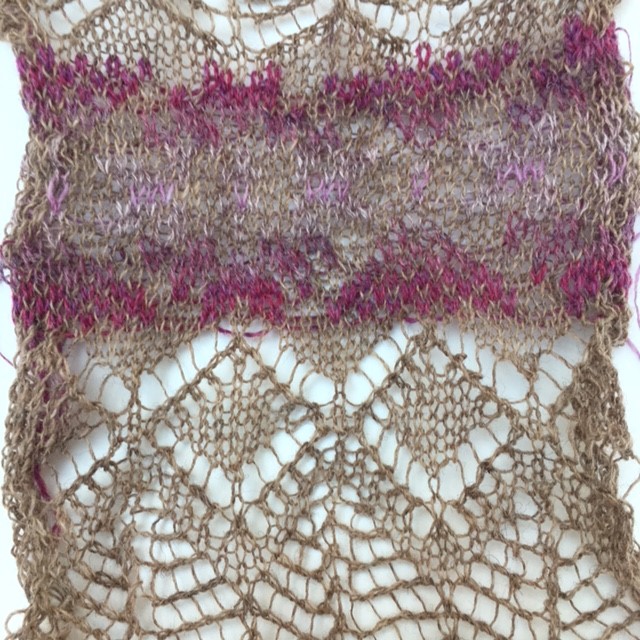
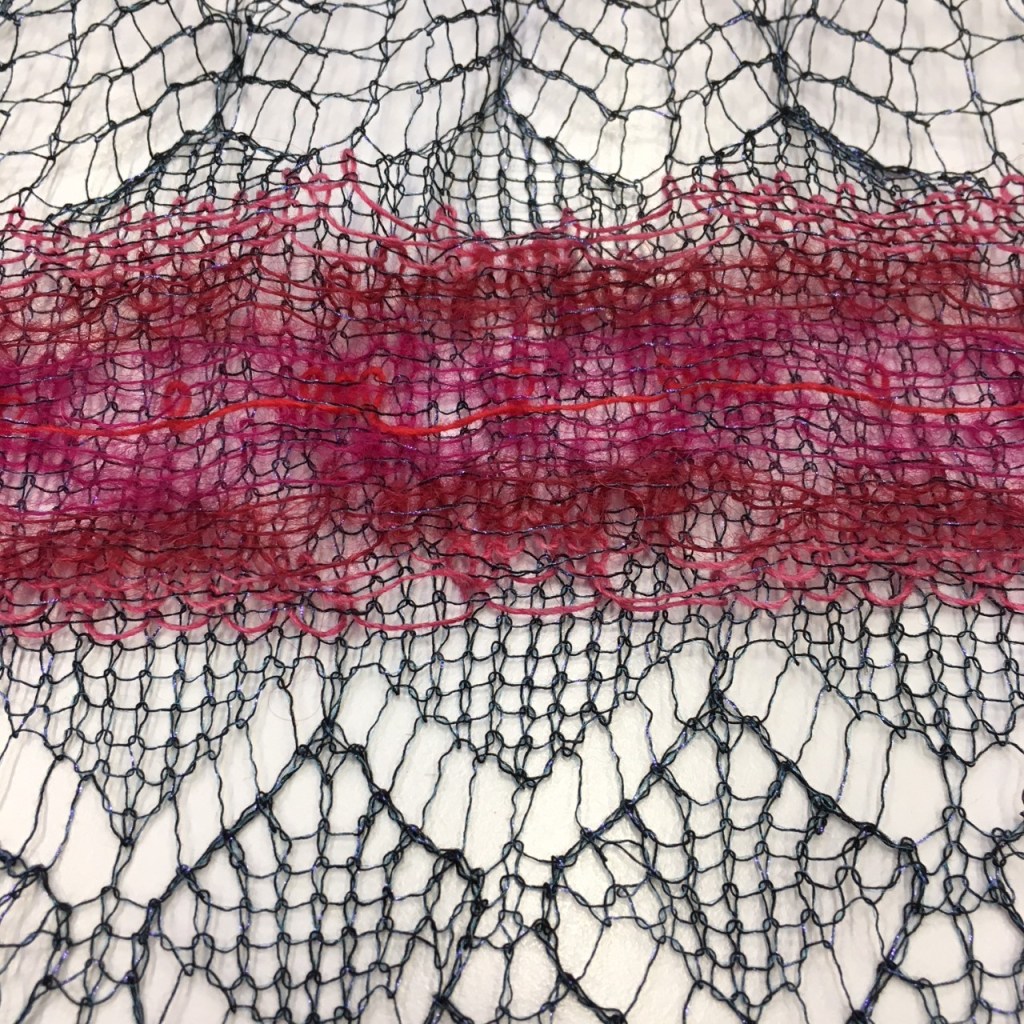
The result was something I was particularly excited about: creating, for the first time at the university, large Shetland lace panels using computer-design power knitting machines.
But my work wasn’t confined to the studio.
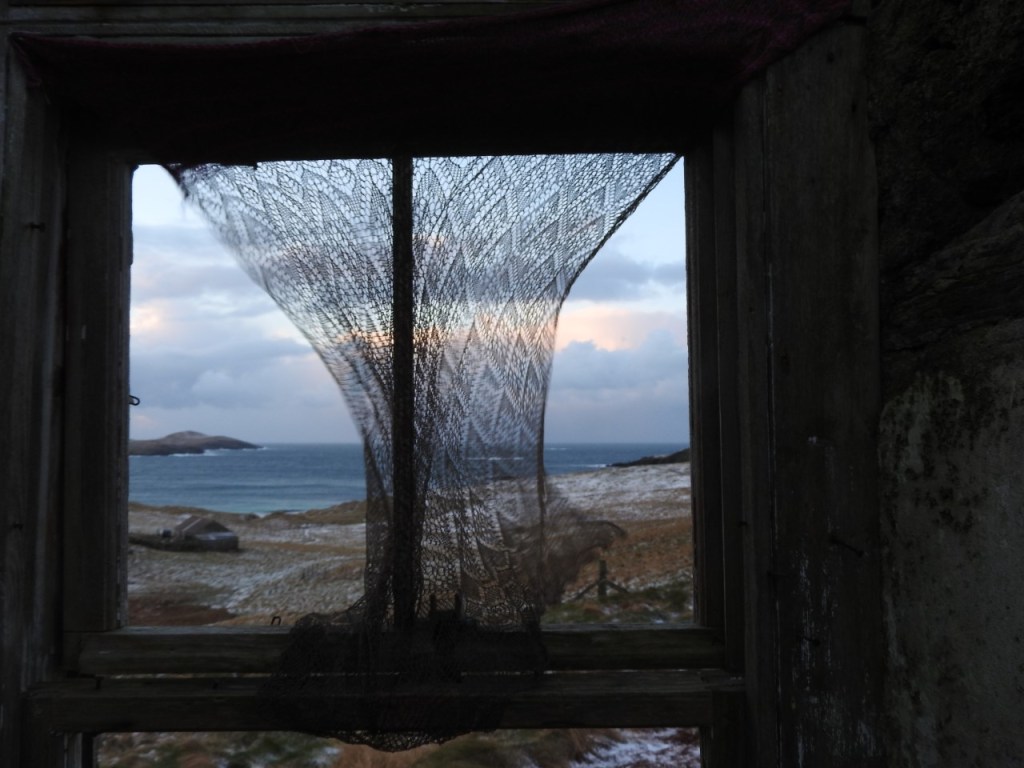
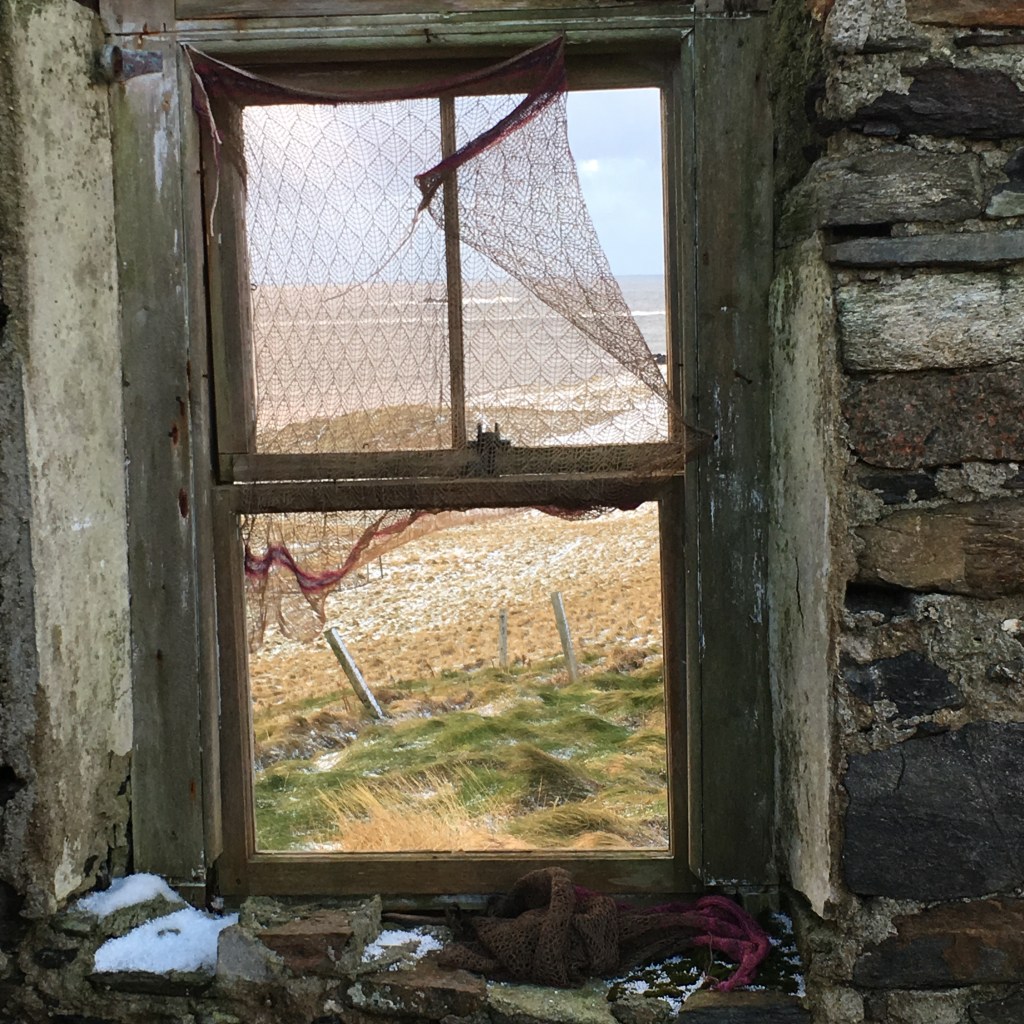
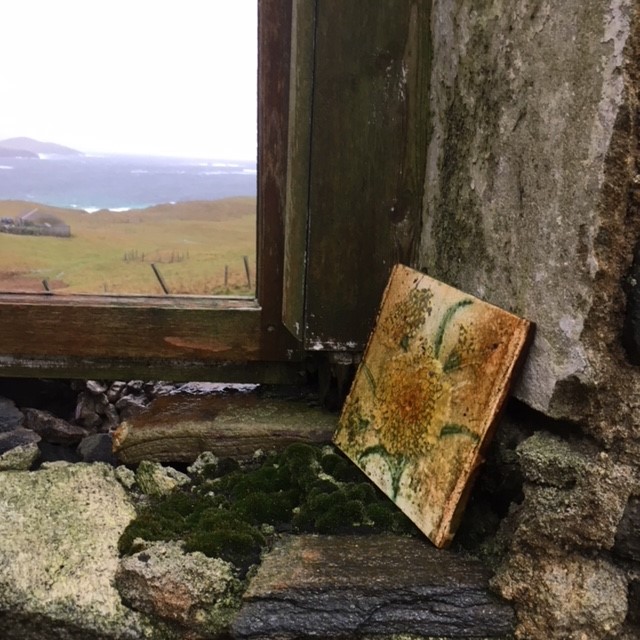
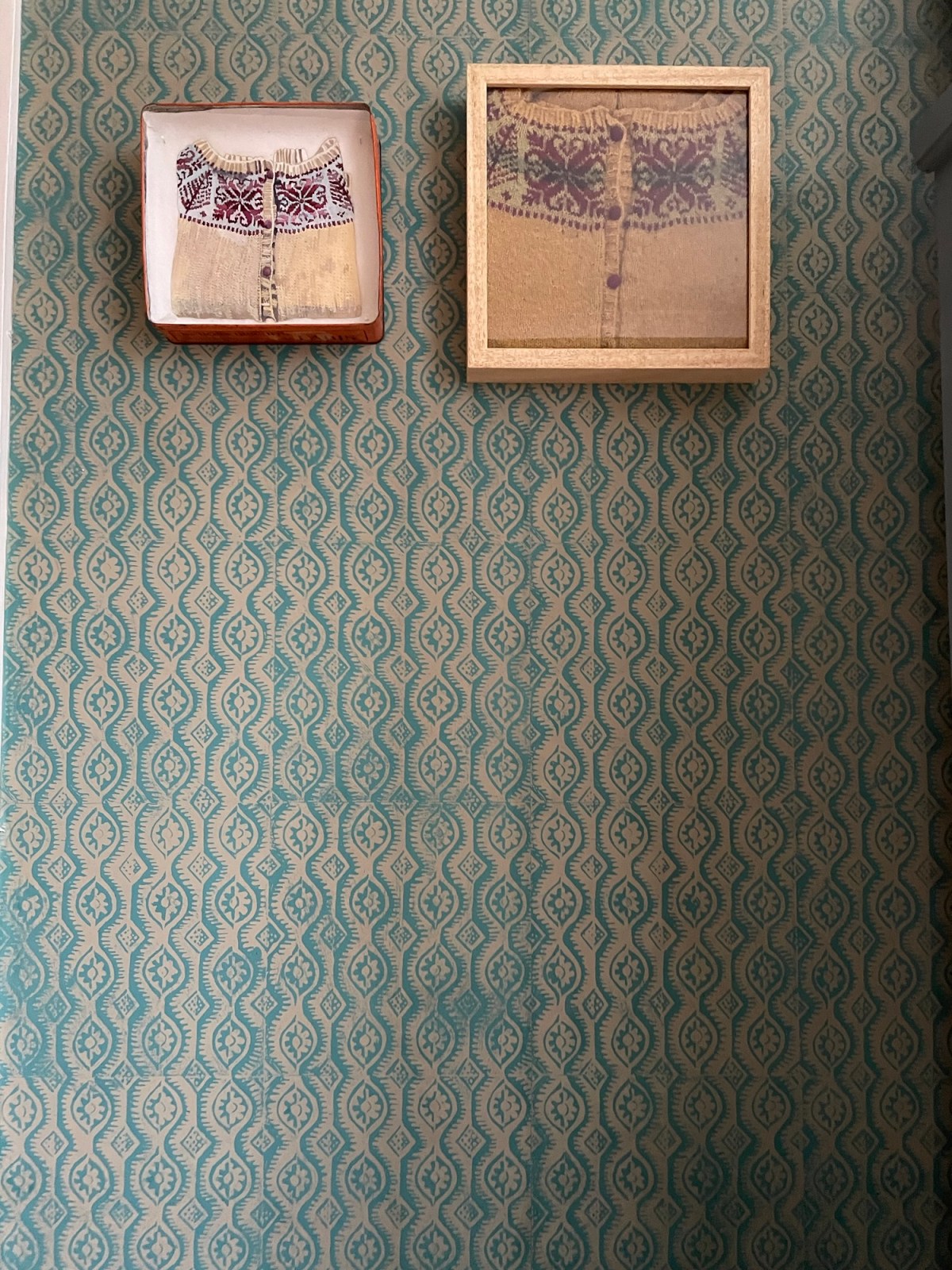
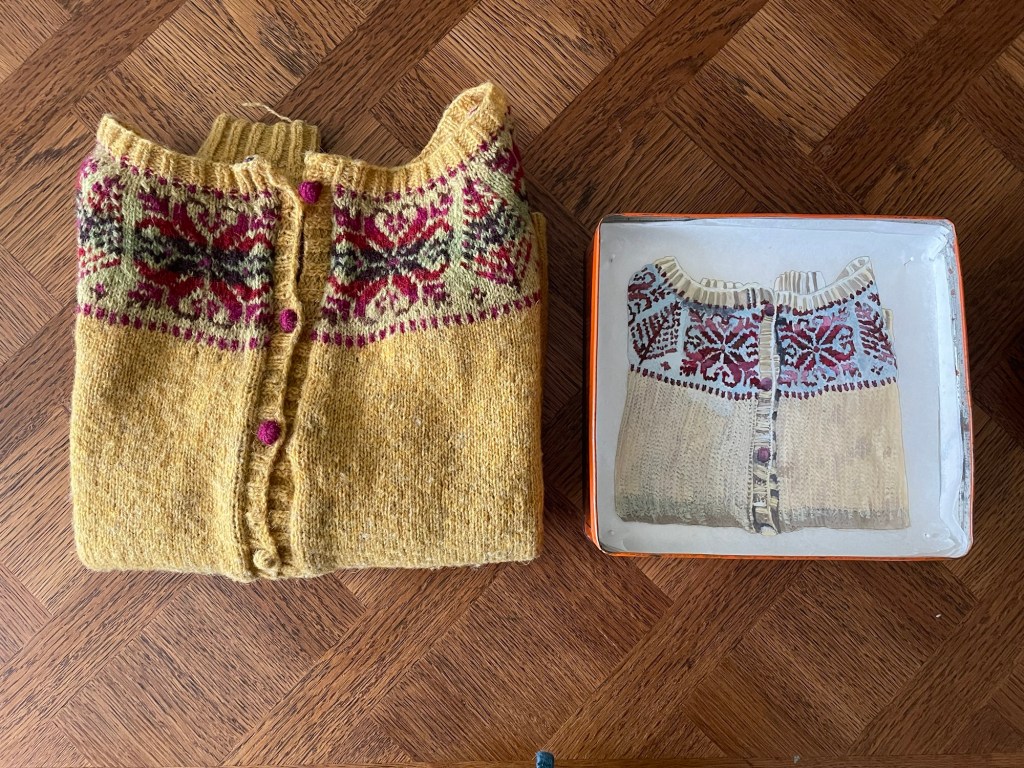
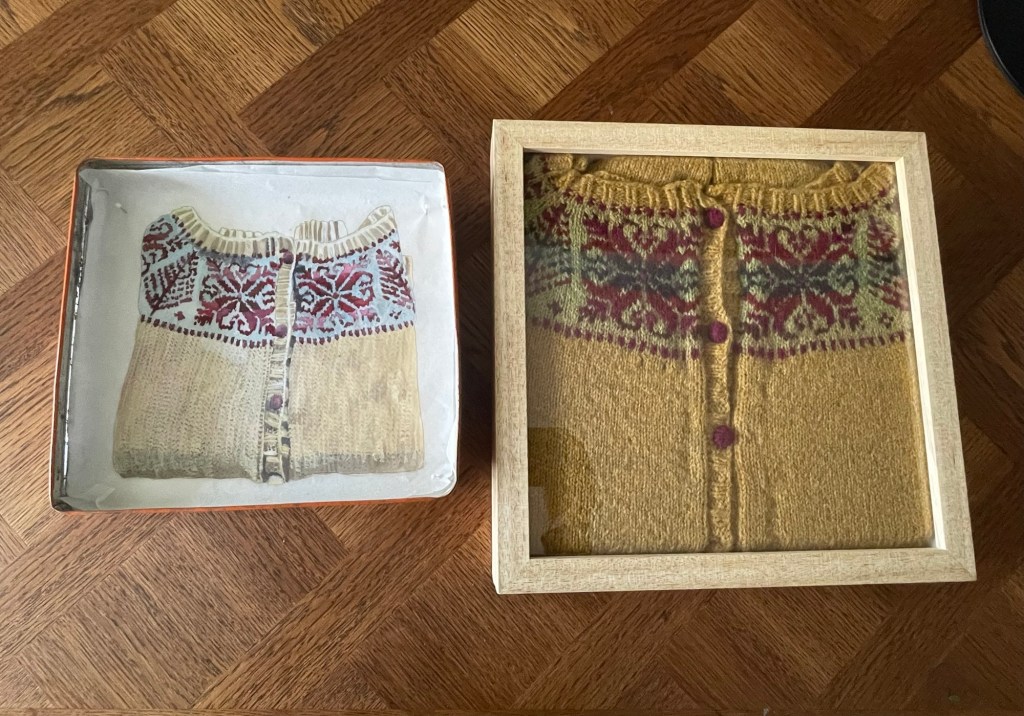
During those two years, I travelled backwards and forwards to Shetland, usually around three times a year, taking my developing lace panels and laser-cut work with me. These became the final pieces of my Master’s project. I placed them inside abandoned croft houses across the islands, creating site-specific installations as a testament to the Shetland lace knitters who had once lived and worked in these houses. If you dig way back, you will see all of this work, here on this blog going back 10 years.
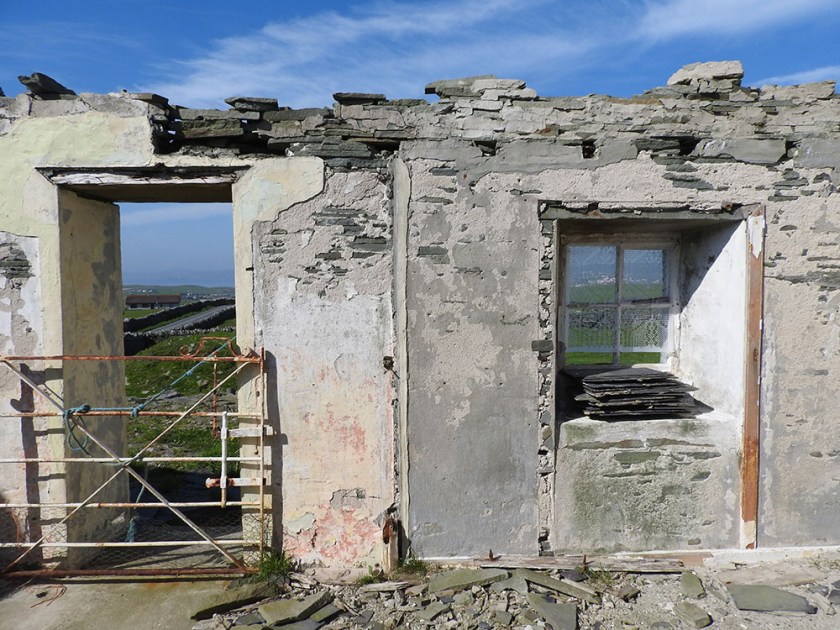
I photographed the work and the abandoned croft house doorways and windows, making a substantial body of site-specific photographic artwork. I was interested in the relationship between the knitted object, the social history of a place and the women whose lives had been connected to it.
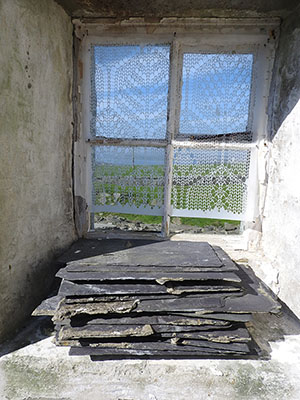
During the final months of my Master’s, I was awarded a travel award to visit the island of Unst to record the voices of Shetland knitters. I still have those recordings of the beautiful voices of the women on our furthest most Island – recordings of sea shanty songs too.
My studies took me in directions I hadn’t initially anticipated. I contacted Sarah Burton at Alexander McQueen and worked with the company for a short time in London, spoke to Yarn companies about yarn sponsorship, moved from traditional hand-knitting into computer-aided design and developed my practice into site-specific photographic work. Something I didn’t even know existed before starting at NTU.
I graduated in 2018 with a high distinction. What made that achievement particularly meaningful was not simply the innovative use of computer technology to develop Shetland lace, but the breadth of my exploration, the connections I had made and the willingness to take my practice in entirely new directions and to push my own boundaries.
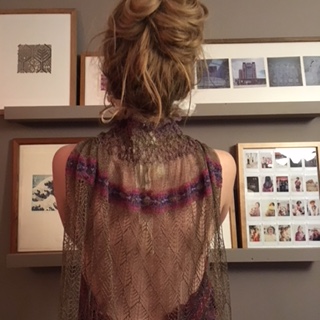
I loved my time at Nottingham Trent University. It gave me an enormous bedrock of knowledge, experience and confidence, and, perhaps more importantly, I discovered how much I thrive on learning.
This morning I reopened my Master’s journal. There is also a post about this work on my Instagram, here where you can see some of the original materials and swatches in my Technical file.
Looking through the journal again has been unexpectedly and calmly interesting. It has inspired my latest design, which brings together a rather different approach to lace knitting and Fair Isle, using mohair. It is, in some ways, an easy-cheat version of lace knitting, but the thinking and visual exploration behind it have roots in those earlier experiments.
And then something else happened this morning.
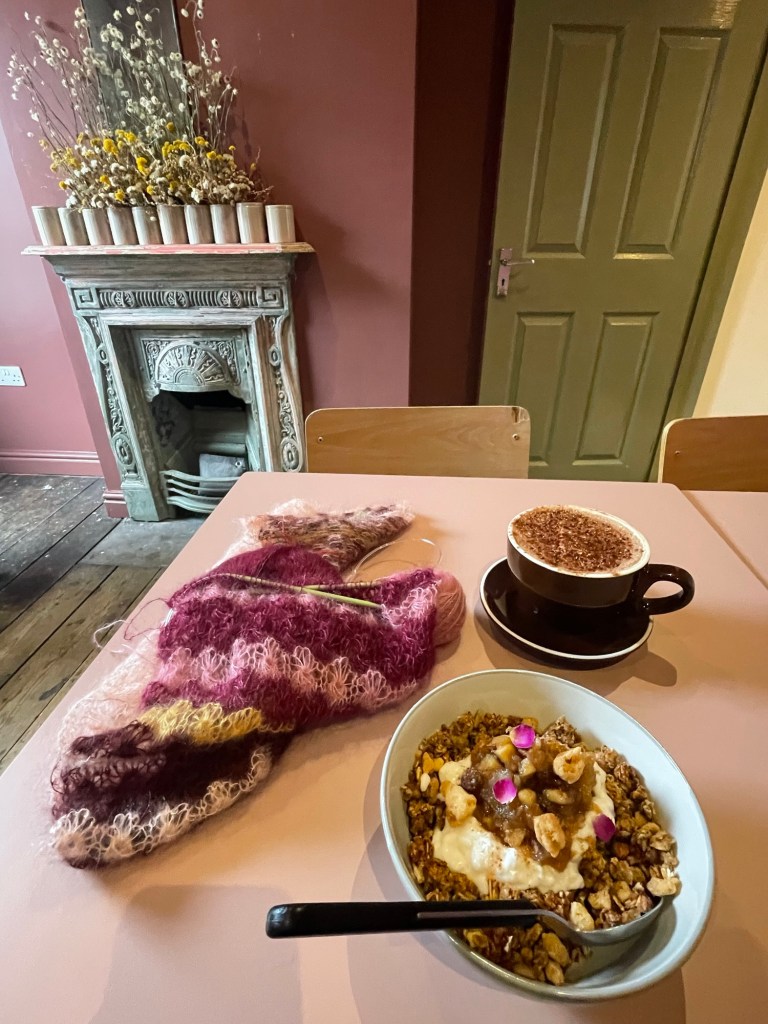
I was sitting in a café in Sheffield, looking at the colours of the walls. They were almost a perfect match for the colours I am currently exploring in my new design. I felt an enormous sense of joy. That moment of noticing, recognising and connecting colours is something I never tire of.
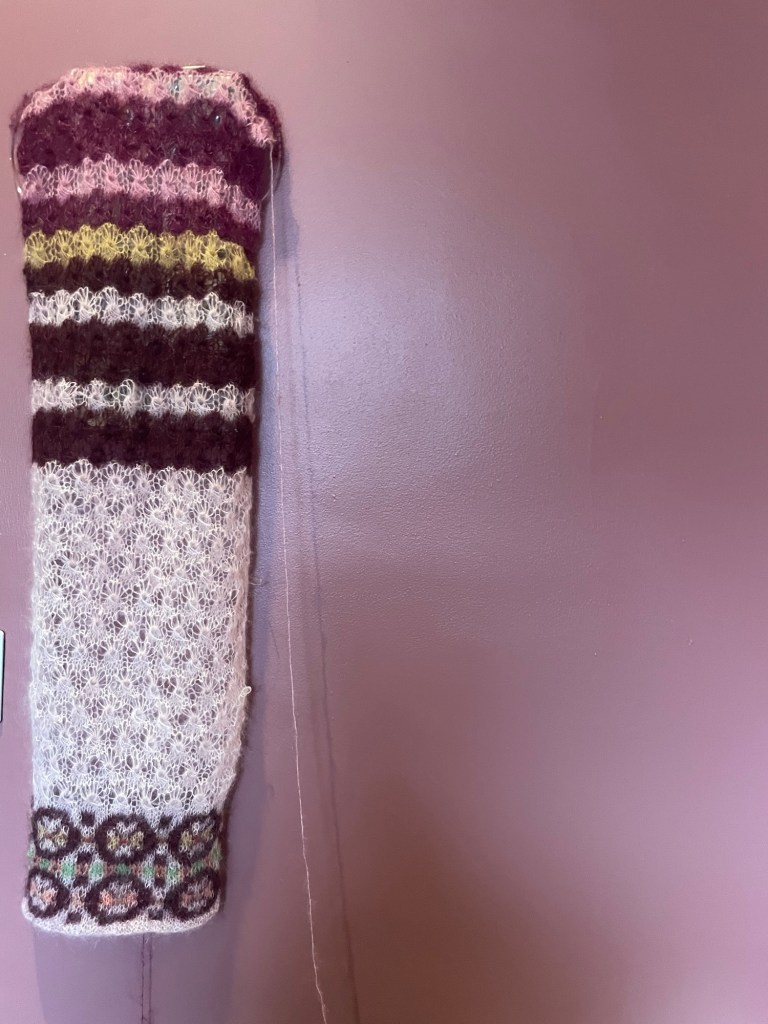
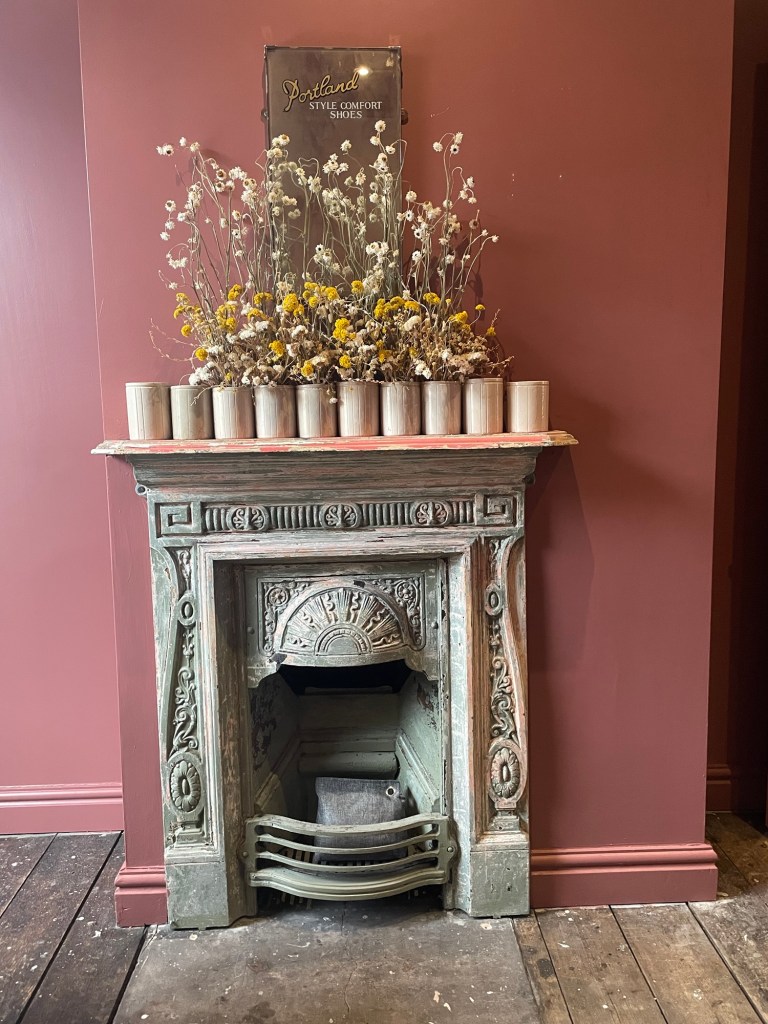
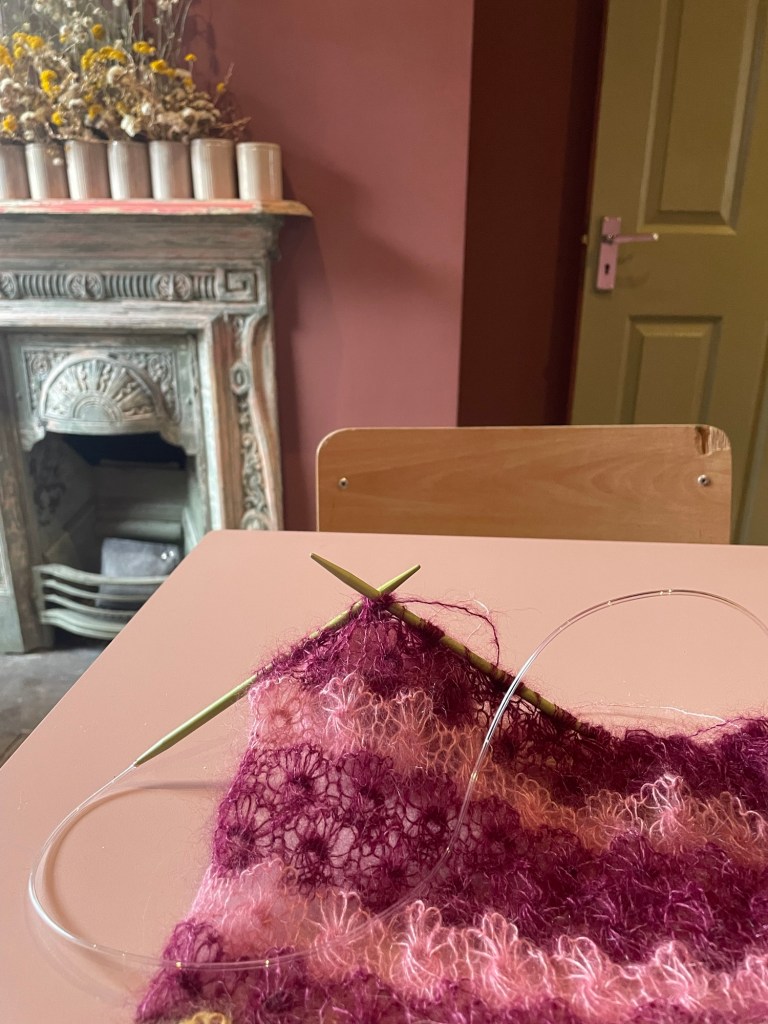
Watching and journalling have been part of my life since 2016. For ten years, I have been recording what I see, collecting colour combinations, noticing relationships between colours and documenting the world around me. And, I have recently been teaching others about colour swatching in my Colour Swatch Journal Groups – information about the group is here
Not gauge. Colour.
I have filled journals with observations, photographs, ideas and experiments. Sometimes a colour combination comes from a landscape, sometimes from flowers, plants, buildings, a journey or simply the walls of a café. I watch, I record, I collect, I experiment and eventually those observations find their way into my knitting.
It is a daily – YES, daily, continuous process of looking and learning.
I love colour. I love the process of discovering something I hadn’t noticed before. I love the way one observation can lead to another, sometimes years later, and become something entirely unexpected.
Perhaps that is what has remained constant since my time at Nottingham Trent: the curiosity to keep looking, the freedom to experiment and the pleasure of learning something new.
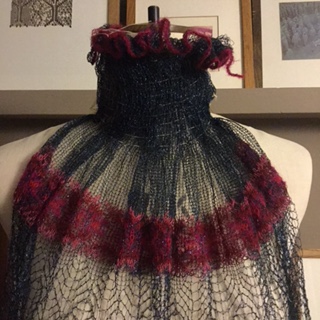
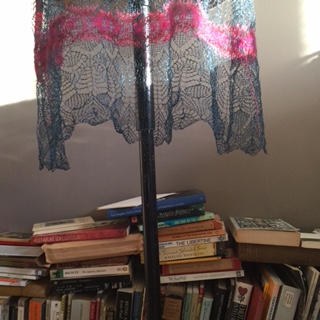
And I still have so much more to discover, and, although my Nottingham Trent story is much bigger than a knitting qualification, and I did start knitting in the 70’s and 80’s, I realise that my turning point in creative development came from my MA and that my ten years of journalling is potentially a defining part of my artistic identity.
I post daily on instagram, if you don’t follow, I am here
all patterns are here and the new one will be out on December 1st